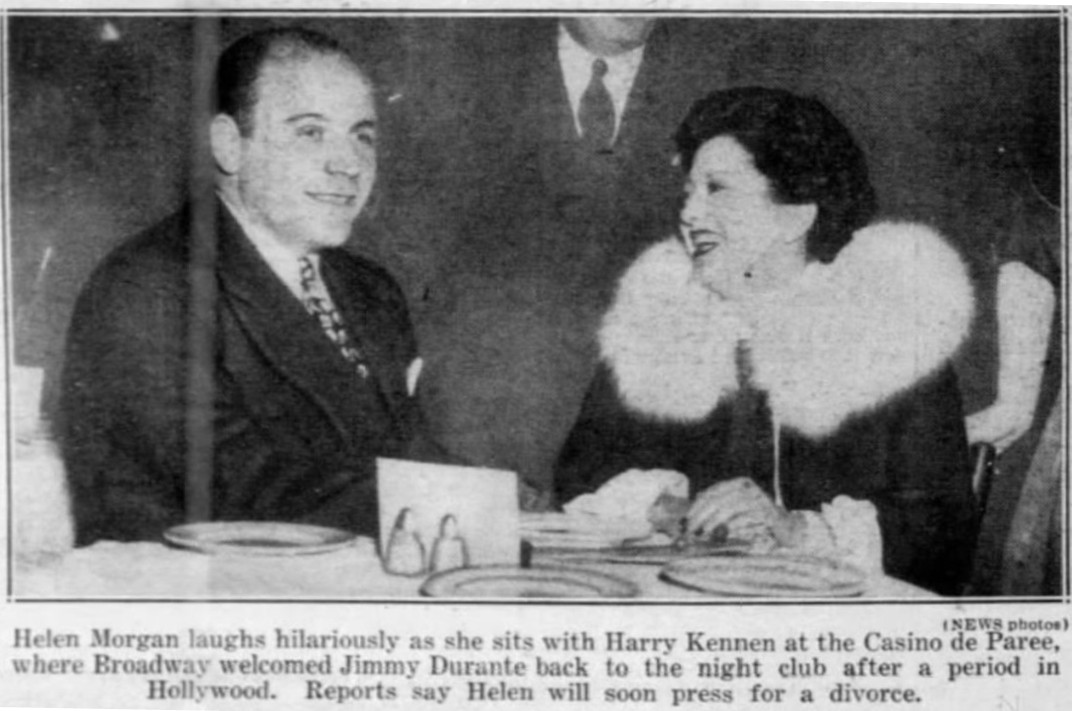
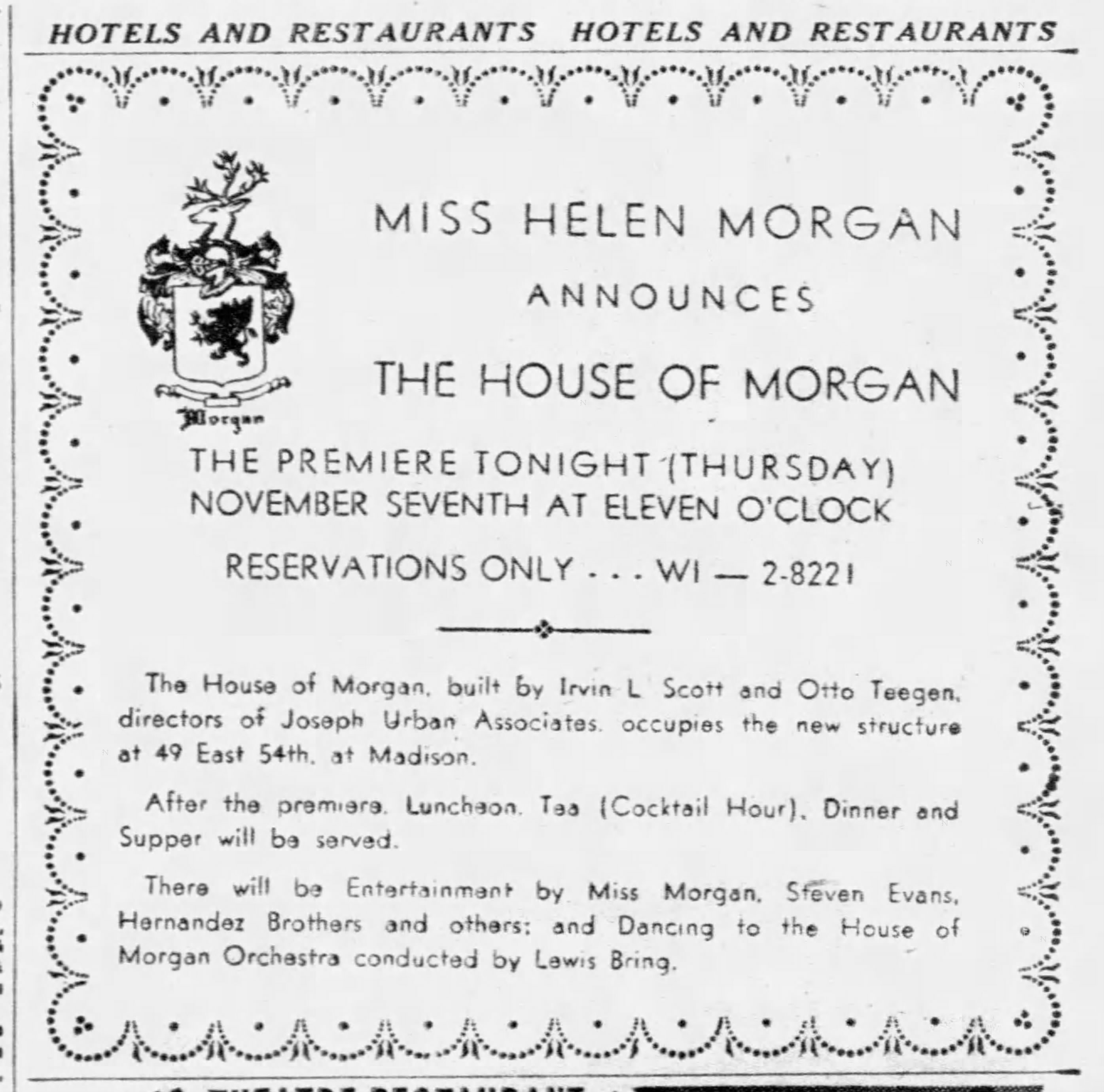
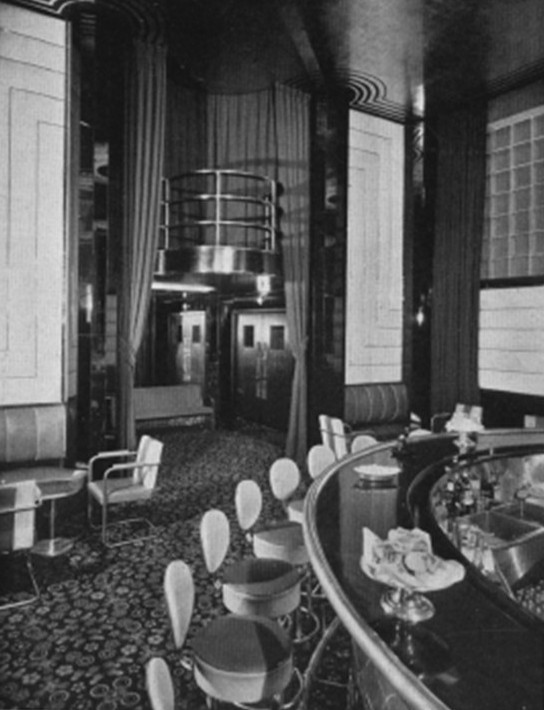
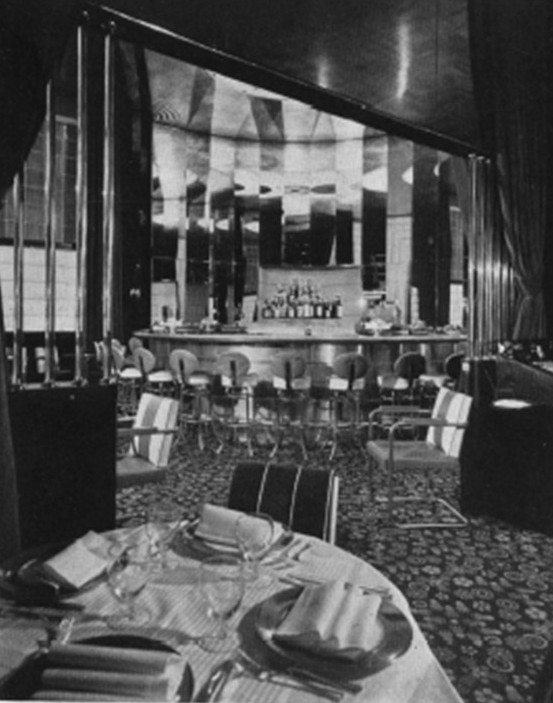
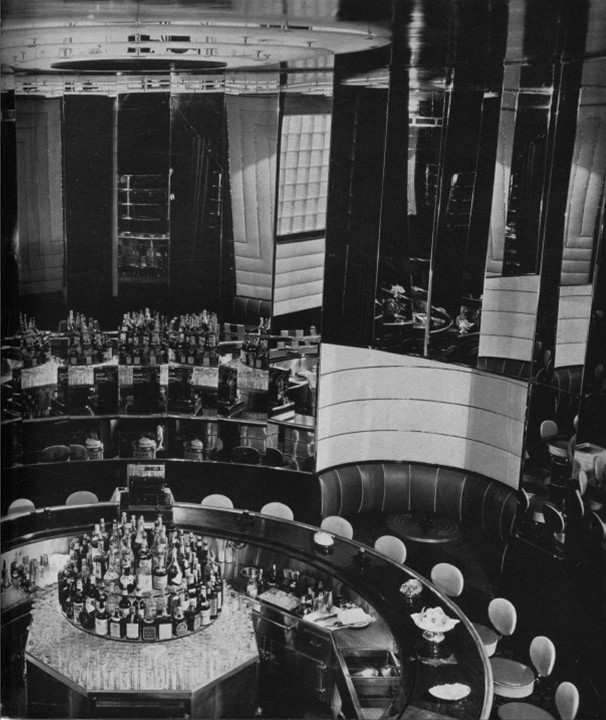
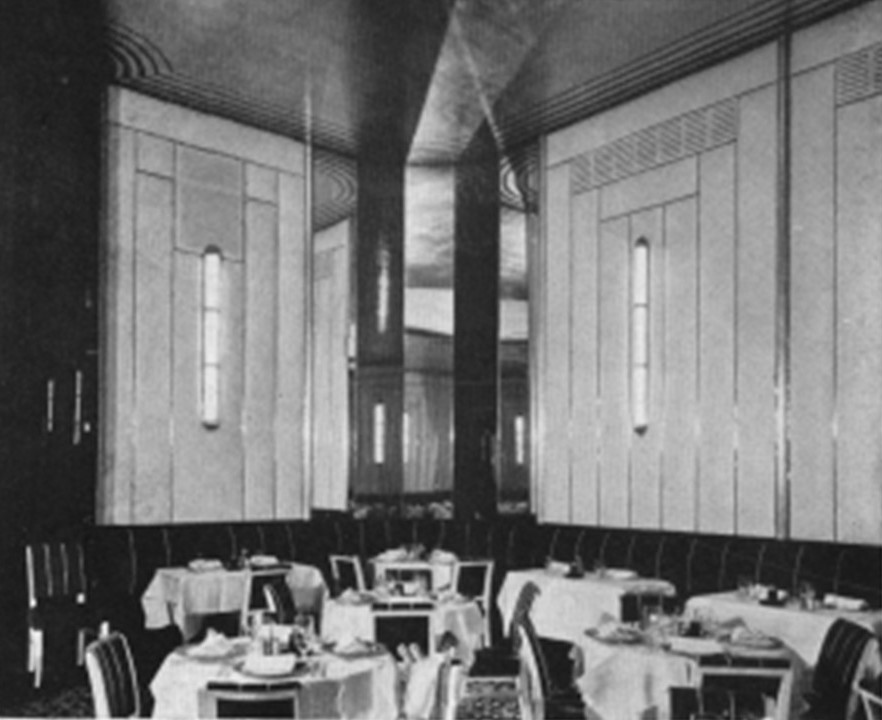
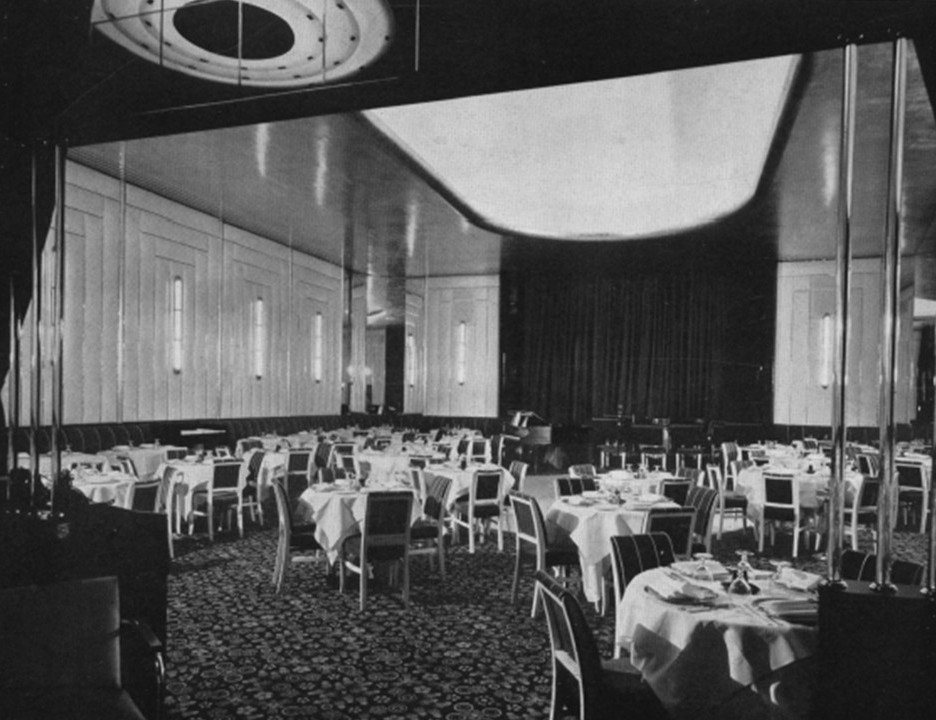
Originally scheduled to open on Hallowe’en, the extensive work decorating the interior of The House of Morgan pushed the premiere back a week. The wait added to the pressure, to the list of almost a thousand denied opening night reservations, and to Helen’s legendary dressing-room hysterics.[i] Part of her anxiety stemmed from a shake-up in the opening night floorshow. The original lineup was to have been: Morgan, mimic Steve Evans, and two bands: the Hernandez Brothers & Lou Bring’s orchestra. A late addition was Frosini, an accordionist – until he suffered a heart attack. To replace his act as well as the dance couple he accompanied, Kannen found Cartier, a less than mesmerizing magician, whose own opening night jitters threatened to sink the production.
Morgan need not have worried: the club and she earned raves. Cartier aside, the rest of the show, including Evans, Beatrice Ide and Jose Limon (dance team), Frances Hunt (singer), columnist-turned emcee S. Jay Kaufman (who also directed) and the dueling orchestras were all top notch.[ii] Helen was back where she belonged. Within days, the club was the most popular nightspot in Manhattan.[iii] As at Chez Helen Morgan, black tie was required to gain entrance to the clubroom although the bar had a less stringent dress code.
After only three weeks, Helen abandoned her House of Morgan to film the 1936 film version of Show Boat. Back east, eight weeks without Morgan placed her House in financial jeopardy. The first post-Morgan line-up consisted of chanteuse June Knight, dancers Escudero and Carmita, and crooner/actor Georges Metaxa. Each act demanded, and was denied, the opulent Morgan dressing room and balcony. Each act sparred over billing; rotating the order in the print ads failed to appease the temperamental players. Each wanted the coveted last spot in the floorshow. Part this problem was temporarily solved when Metaxa was recruited to be the emcee, until a dispute over his flowery excesses in introducing each act prompted him to scream “Double crosser!” and walk out of the second show. Gertrude Niesen and the dance team of Rosita and Fontana completed the remainder of the three-week contract.
In late December, Kannen changed out his personnel, on-stage and off.
Off-stage was Toots Shor, who assisted Kannen in running the room. His greatest accomplishment at the House of Morgan was finding suitable acts to fill in while Helen filmed Show Boat. Drinking one night with the owners of the competing Versailles Club, Toots heard them complain of a lack of original acts in New York. Toots recommended a ventriloquist act. They thought he was mad but gave Shor’s pet act a trial. The ventriloquist went over like gangbusters with the audience, but not the Versailles brass. Toots took the act to Kannen, who booked it into the House of Morgan for the new show, which opened Christmas night, 1935.[iv] The act once again went over big. So big, that Rudy Vallée signed the guy to appear on his radio show and Nelson Rockefeller lured him away to the Rainbow Room.[v] The ventriloquist was Edgar Bergen.[vi]
Sophie Tucker, with a following as loyal as Helen’s, headlined the new bill, which, in addition to Bergen, included Phil Tiltman and Jimmy Lee. She opened to such acclaim she held over for a four week run. Soph also came at $2,500 a week, a grand more than Kannen paid Helen. Out front opening night was Louis B. Mayer, who was so taken by the voluminous entertainer, he hired her. A year later, with pre-Oz Judy Garland, she shot Broadway Melody of 1938 and Thoroughbreds Don’t Cry.
Even with a sold-out New Year’s Eve gala at $30 per couple, the House of Morgan stayed in the red. New Year’s Eve was almost as exciting outside the club as inside. Toots Shor heard a scuffle outside, ran to investigate, and saw the doorman Sam Thorpe take on three men at once. In short order, Thorpe beat each man unconscious. A fourth came up to him and Thorpe knocked him out before Toots could stop him. The last victim was a cop running up to investigate the fracas. Kannen and Toots argued over the incident. The two had words on previous occasions because Kannen would glad-hand his patrons, a responsibility of the club manager. With the dawn of 1936, Toots Shor was gone from the House of Morgan.
Helen returned to the House of Morgan on January 24, 1936. Joining her were Clifford Newdahl, Carl Randall, and Phyliss Cameron. Dissatisfied with the way Kannen was running her club, in early March she left again, picking up club work in Florida. Beginning March 5, Lillian Roth led the floorshow. When Morgan picked up additional work in Chicago, the House of Morgan closed, on March 21, 1936.
There were certainly problems and a lot of bad timing involved with the House of Morgan. The location itself seemed to be problematic, being just outside the theater district. Further attempts to establish new businesses on the site would also result in failure. First Johnny Borgiani, Nick Prounis and Arnold Rosenfield, owners of the Versailles bought the site off of Kannen, planning to open a club on the site and reverting the Versailles into a straight restaurant. This did not work out. Next, Nick Bates bought the place and re-opened it as the Merry-Go-Round. Dave Appollan, an old vaudeville maestro took the joint off Bates’ hands and opened his club under the handle Club Casanova on October 7, 1938. It was dark again by Armistice Day at a $30,000 loss.
By 1938, if not before, café society in NYC had changed. While successful earlier in the decade, The Stork Club and 21 took over as the premiere niteries. Instead of expensive floor shows, the celebrities who drank and dined in these clubs became the point of interest. Winchell set up his virtual office at the Stork, where he could report on the comings and goings of the café society. Bands would serenade celebrities as they entered the room by striking up a tune s/he had made famous. Even had The House of Morgan survived its season, it could not have survived as the “event” and restricted club it was created to be.[vii]
[i] House of Morgan opening: McIntyre, O. O. “New York Day By Day,” December 18, 1935. Also Richard S. Davis, “Not Exactly a Column”, Milwaukee Journal, January 25, 1936, Daily Variety, October 2, 1935, NYT, October 19, 1935 and Ed Sullivan’s “Broadway,” New York Daily News, November 8, 1935.
[ii]NYT, November 2, 1935 and advertisement, November 7, 1935. Also New York Sun, November 9, 1935 and Abel, Variety, November 27, 1935
[iii] Its popularity even ‘ruined’ the gala openings of the 54th Street Montmartre – Variety, November 13, 1935
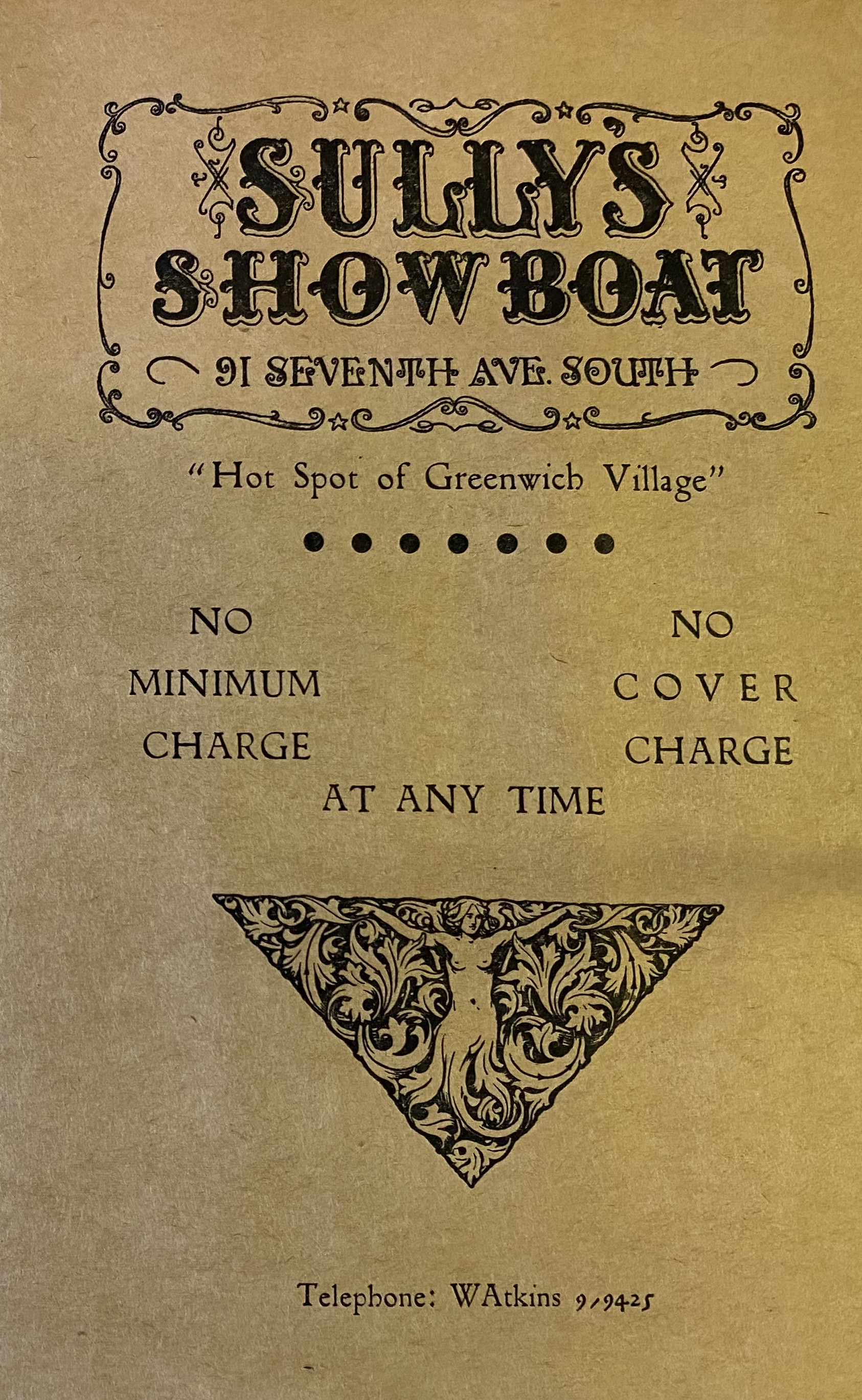
In March 1933, Joseph Urban’s original, classic sets for Ziegfeld’s Broadway production of Show Boat were consigned, like so many others, to the Globe Storage Warehouse Company. But not for long. Harold “Sully” Sullivan opened a Show Boat themed restaurant at 91 7th Avenue in Greenwich Village.
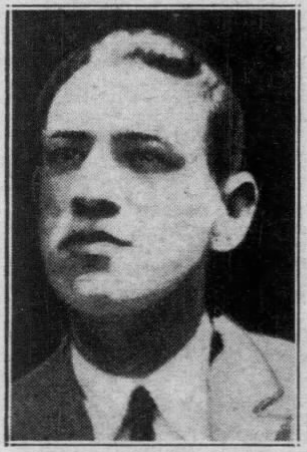
Harold “Sully” Sullivan
As would be done a few years later with the fittings from the White Star Liner Olympic, Cleon Throckmorton went to the source. He acquired the original Urban sets and incorporated them into his design.
He also recycled the bar from the old Prohibition-era Stork Club.
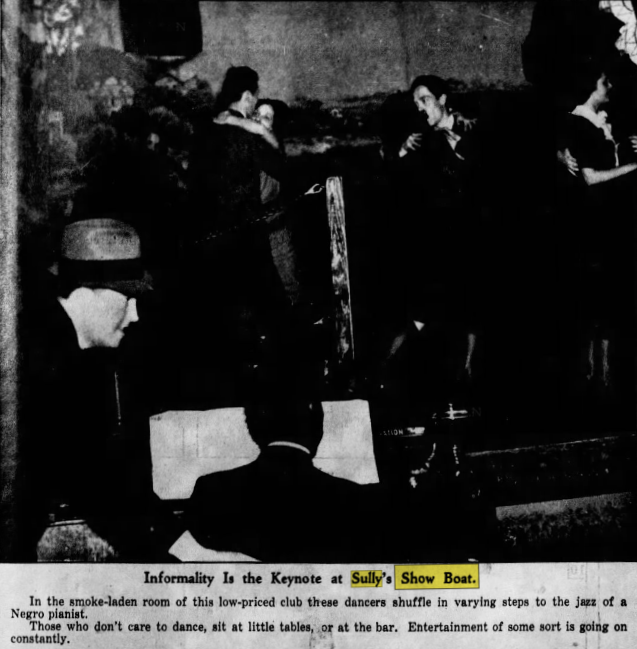
Sully’s Showboat opened its doors in December 1934 and quickly became a Village staple. Hall Johnson and his Choir headed the inaugural floorshow.
Other African-American musical acts followed, including Rudy Smith and the Four Cabin Boys.
By 1936, the “southern” theme was largely abandoned, although the décor remained. In its stead was a varied floorshow with an emphasis on dance and strip-teases. Between shows, there was dancing for the customers, and silent comedy shorts.
Through it all was that long, long bar serving competitively priced beer and cocktails.
Everything changed in the early hours of September 21, 1936. Coming out of Hymie’s Bar in the basement at 55 Christopher Street at 4 a.m., Sully and four other friends were accosted by off-duty policeman James Bell, who demanded to know where he could get a drink. Sully told Bell everything in the Village was closed, but Bell insisted. The conversation morphed into a heated argument. Someone threw a punch at Bell and his buddy, fellow cop John V. Buckley, came to his rescue, turning the fight into a brawl. Sullivan hit Buckley, who fell down three steps and into a vestibule door, breaking six panes of the glass in the door. Buckley pulled his gun and fired. When the melee was over, Sullivan lay dying on the sidewalk, shot in the abdomen.[i] Buckley staggered to a nearby police station, surrendered his gun and requested medical attention. Buckley, Bell, and Patrolman Richard Maher were all suspended from duty, but when Buckley faced trial for first degree manslaughter, he was acquitted.[ii]
When the restaurant re-opened a year later as The Place, Urban’s sets, like Sully himself, was little more than a memory.[iii] Later, as the Limelight, the space enjoyed a longer tenancy, from the 1950s until, yes, another gun fight forced a shuttering of doors in 1978. From the early 1990s until 1922, the building housed the touristy Jekyll and Hyde.
Working actors, especially those who plied their trade a century ago, worked.
Whenever and wherever they could.
New York actors in the 1920s and ’30s often doubled, even tripled, into other venues while still playing eight performances a week on Broadway.
It was not uncommon for performers to double into radio, nightclubs, and films while a Broadway show was running. Some also augmented their income by modeling, personal appearances, recording, and playing private parties.
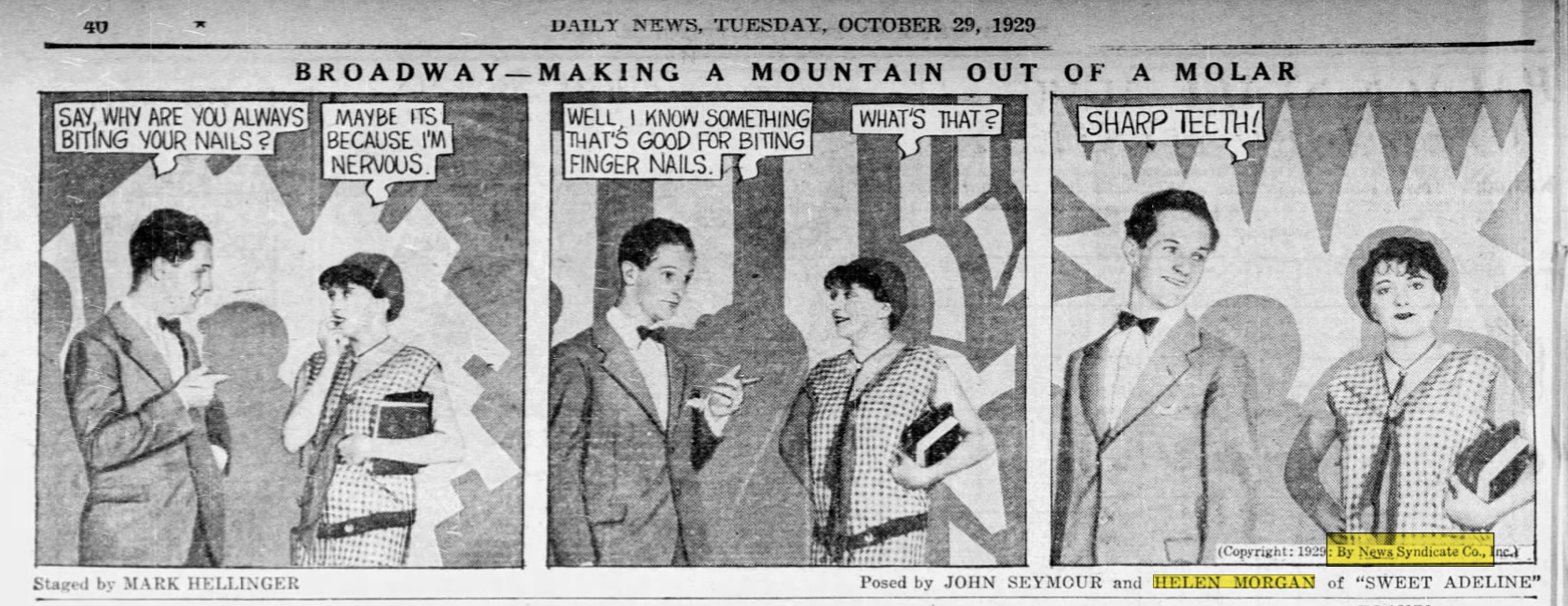
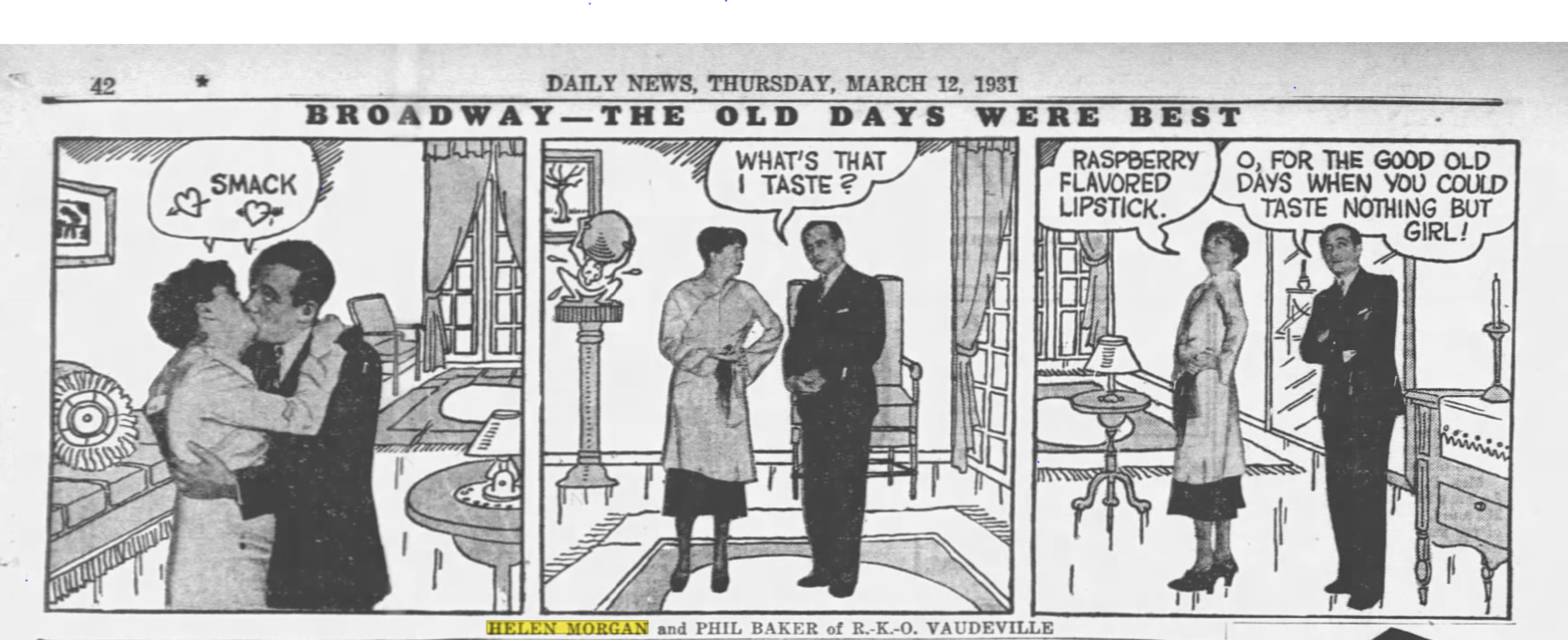
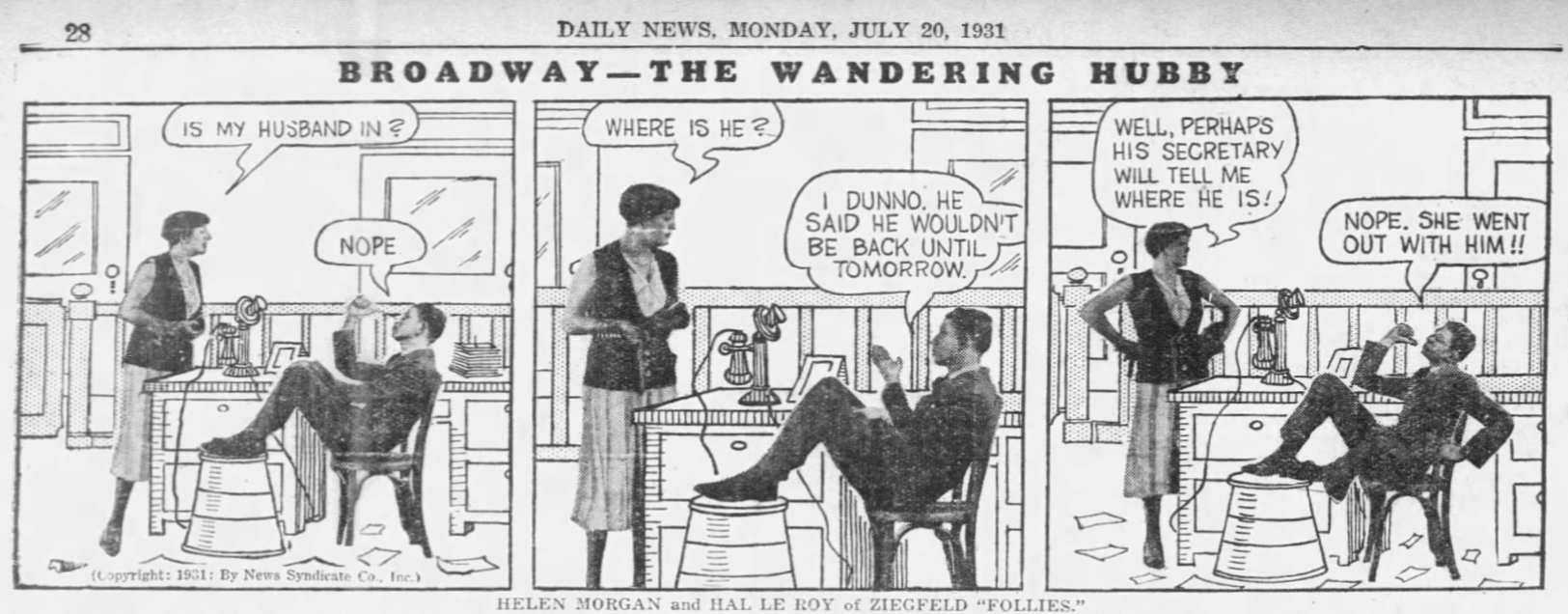
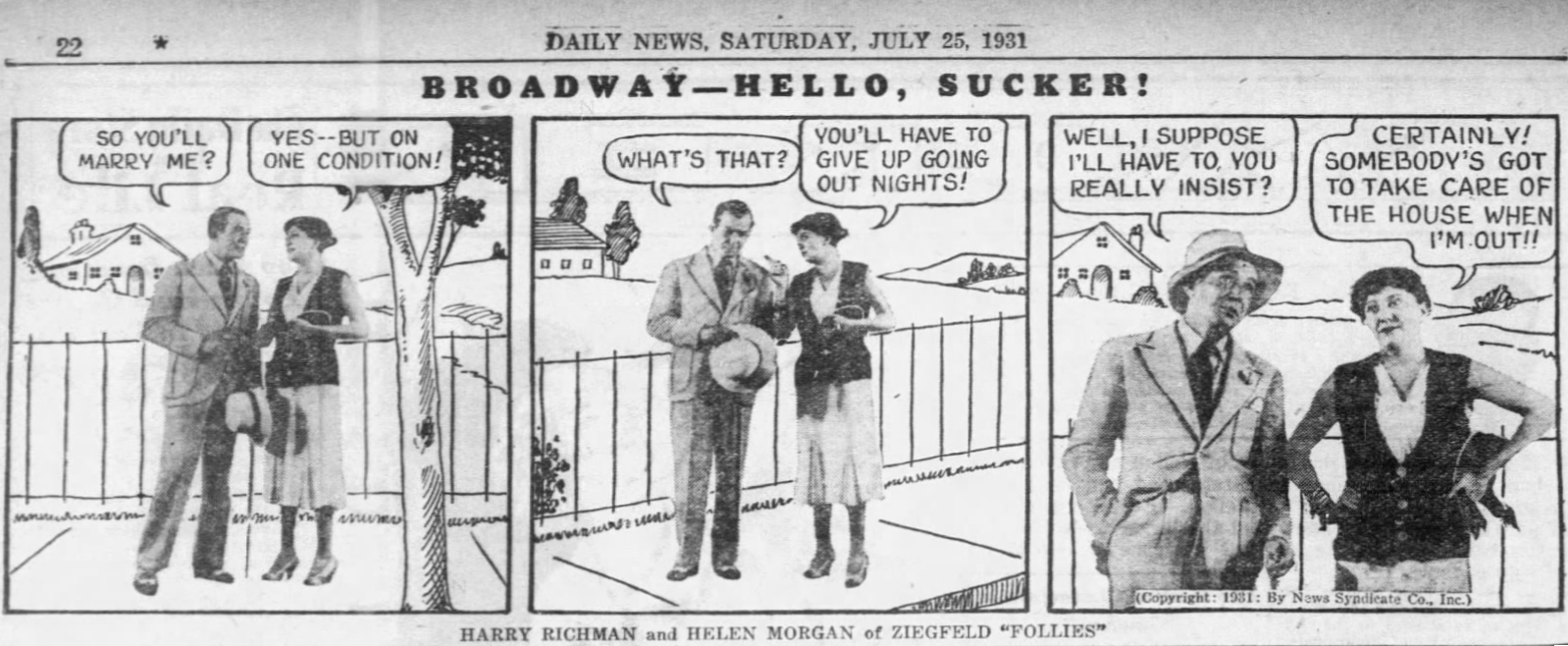
But perhaps the most unusual way Broadway-ites picked up quick coin back in the day was working the funny pages. Beginning in February 1927, the New York Daily News ran a daily comic strip. But instead of cartoon characters, Broadway actors acted out little blackout sketches, one panel at a time, staged, at least originally, by Mark Hellinger.
Everybody working the Main Stem at the time posed for these Broadway comics: Fanny Brice, Eddie Cantor, W. C. Fields, various Marx brothers, Bob Hope, Ethel Merman, Eve Arden, Buddy Ebsen, Harry Richman, and Helen Kane (just to name a few) played the series, which lasted until December 1934.
In addition to whatever the actors earned, the panels advertised the Broadway show in which the performers appeared. The lead time must have been fairly short, as sometimes acts playing the Palace also got in on the action.
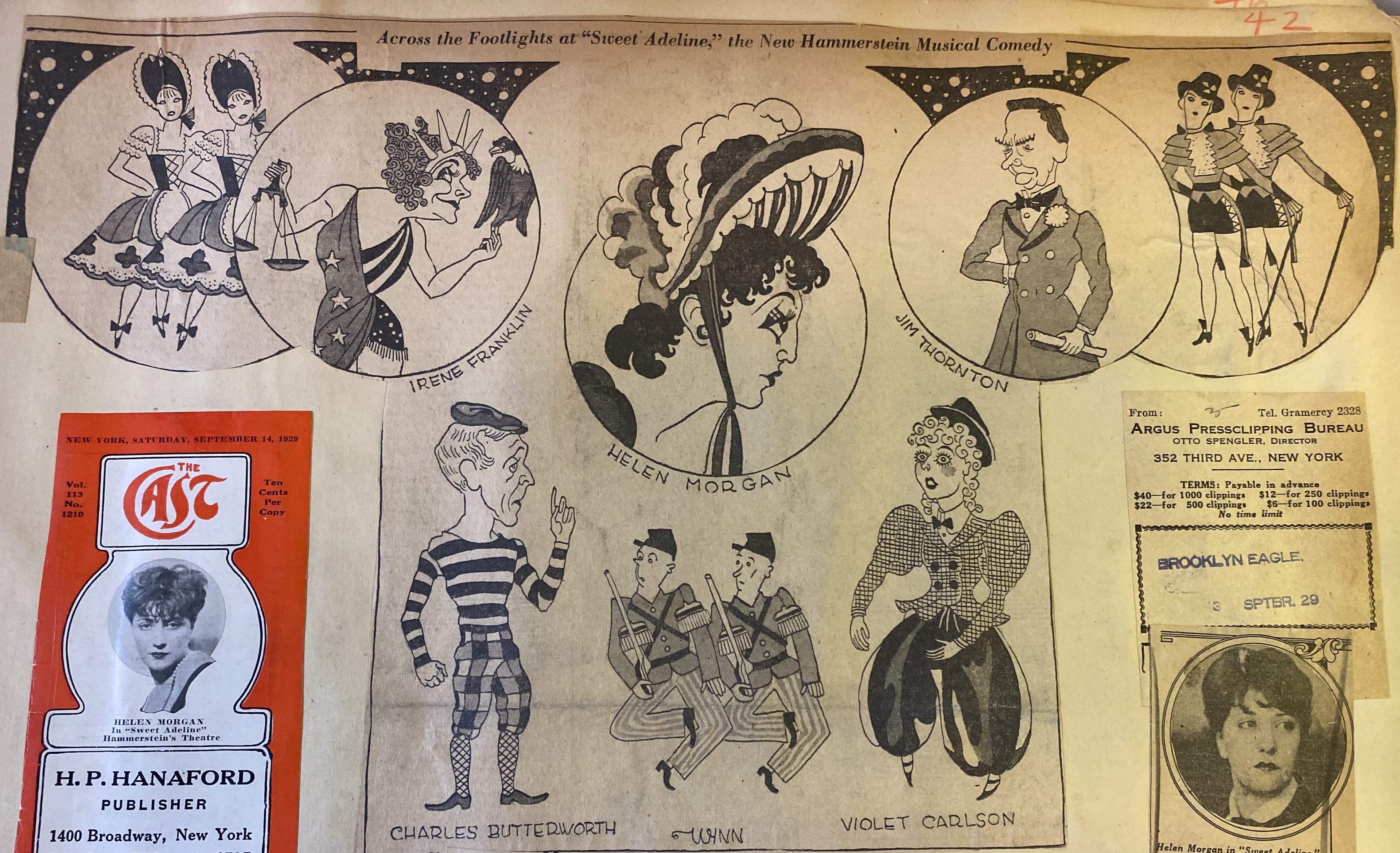
… 1929, ninety-five years ago today, Sweet Adeline opened at the Hammerstein Theatre in New York.
The musical reteamed Helen Morgan with Show Boat authors Jerome Kern (music) and Oscar Hammerstein II (book and lyrics). New this go round was Oscar’s Uncle Arthur replacing Florenz Ziegfeld Jr. as producer, and Oscar’s brother Reginald (and Helen’s ex-boyfriend) as the nominal director (Oscar supervised the production).
Oscar’s original story revolved around Addie, later Adeline, Schmidt (Helen), with several characters and situations modeled on Helen’s parents and her own upbringing.
As with Show Boat, Helen was the only original cast member to commercially record any vocals from the score. Sadly, she did not record every song assigned to her, but others were happy to fill in the blanks from Kern’s cornucopia of a score:
And then there’s this:
While a Morgan vehicle, she shared the stage with ten other principals. That said, only the two main comics, Charles Butterworth and Irene Franklin, had roles comparable in size to Helen’s in terms of dialogue, although Morgan still sang the majority of Kern’s score.
Franklin’s clout extended to writing her own lyrics. She even preserved her opening Sweet Adeline number on film a few years after the fact:
In 1934, Warner Brothers filmed Sweet Adeline. Typical for the era, the studio recast Morgan, Butterworth and Franklin – all working in Hollywood at the time – with Irene Dunne, Hugh Herbert and Wini Shaw. Hammerstein’s plot gets thrown out the window in the second half, but much of the stage score remains. In addition to “‘Twas Not So Long Ago,” “Here am I,” “Don’t Ever Leave Me” and “Why Was I Born?” the film score includes “Play Us a Polka, Dot,” “Oriental Moon” and “Molly O’Donahue.” For added measure, Kern and Hammerstein interpolated “Lonely Feet,” rescued from the recently closed London production Three Sisters, and a new composition. “We Were So Young” into the proceedings. The film shows up from time to time on TCM and was released on disc as part of the Warner Archive Collection.
John McGlinn intended to follow up his landmark 1988 recording of Show Boat with a complete reading of the Sweet Adeline score, but such a thing was not to be. Thankfully, he peppered other collections with five Sweet Adeline tracks, and all featuring the original orchestrations.
First is the clever fin de siècle Overture, in which Kern utilized famous 1890s tunes, saving his own writing for later in the show:
More importantly, McGlinn recorded the show-stopping ten o’clock number, “Some Girl is On Your Mind.” After “All the Things You Are,” this may be the single best thing Kern ever wrote yet, oddly, not one critic in 1929 singled out this expanded barber shop quartet for comment.
McGlinn also waxed the original duet setting for “Don’t Ever Leave Me.”
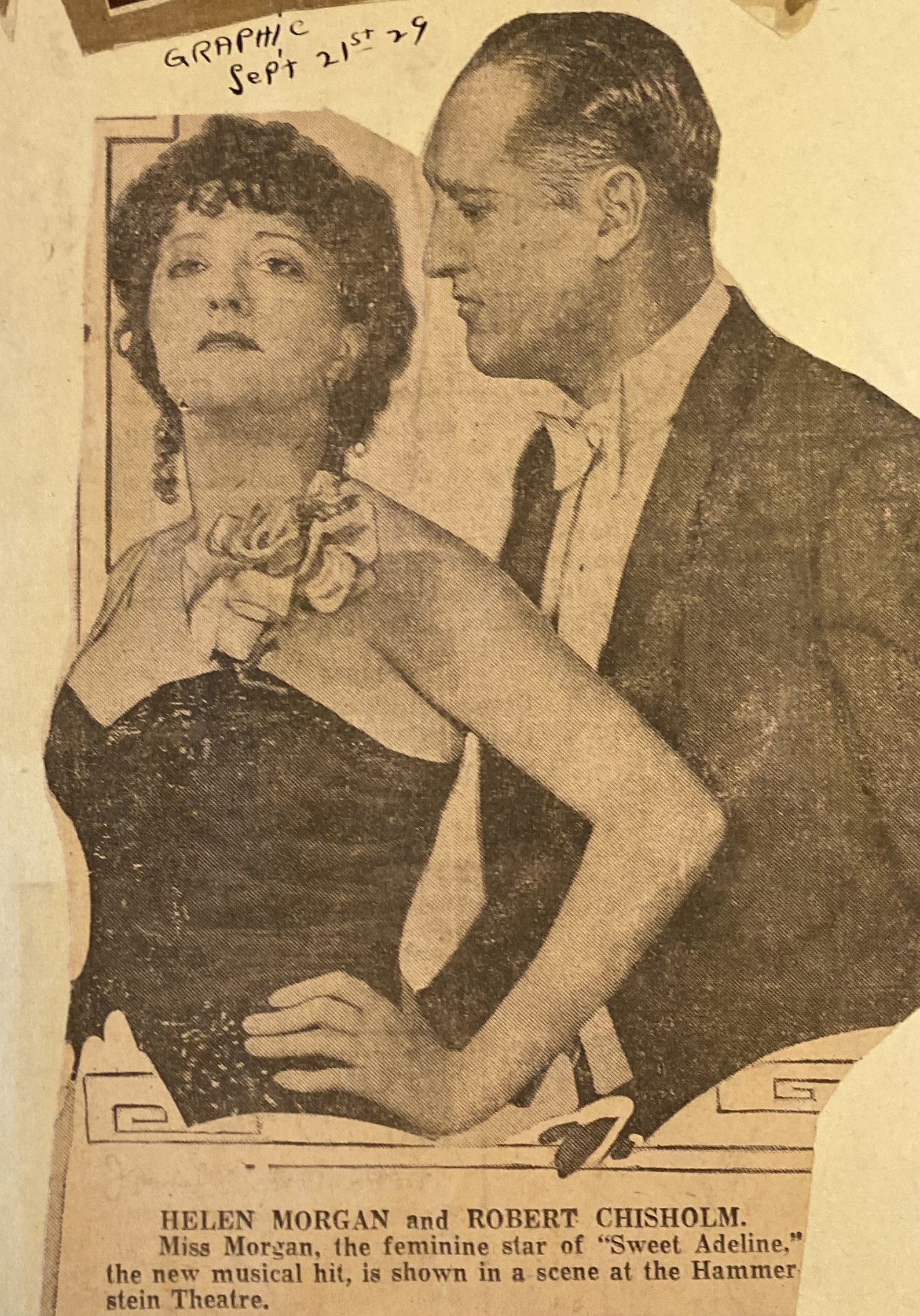
Helen and Robert Chisholm first sang the song as a triumphant expression of their love (think Hammerstein’s later effort “I Have Dreamed”).
Only later in the show did Helen give the song its tragic, torchy spin.
Last but not least, Helen’s biggest hit of the night:









 The Helen Morgan Page