Posted by: Christopher S Connelly | July 5, 2026

Pembroke – Part 2: Arthur and Helen and Joan and Doug

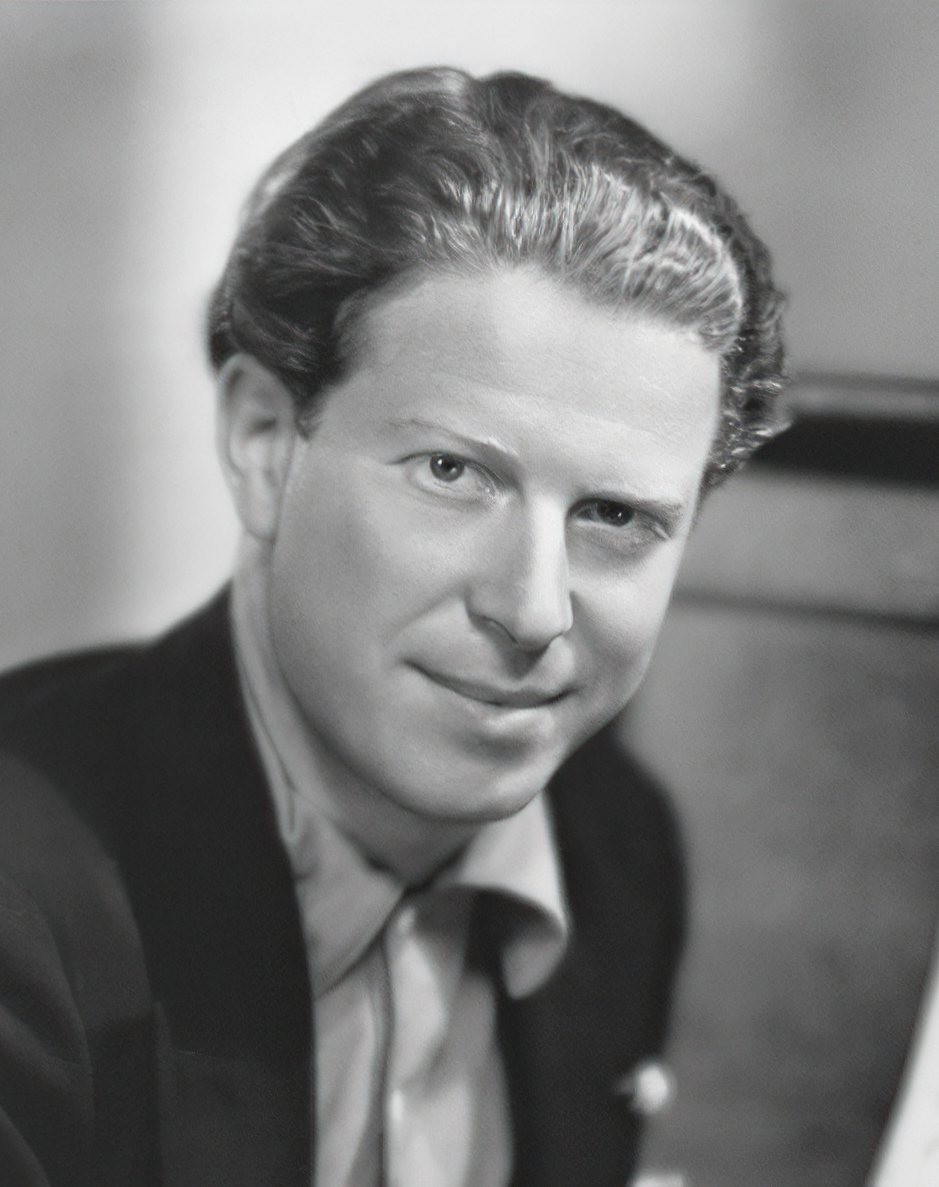
Arthur Loew was the love of Helen Morgan’s life.
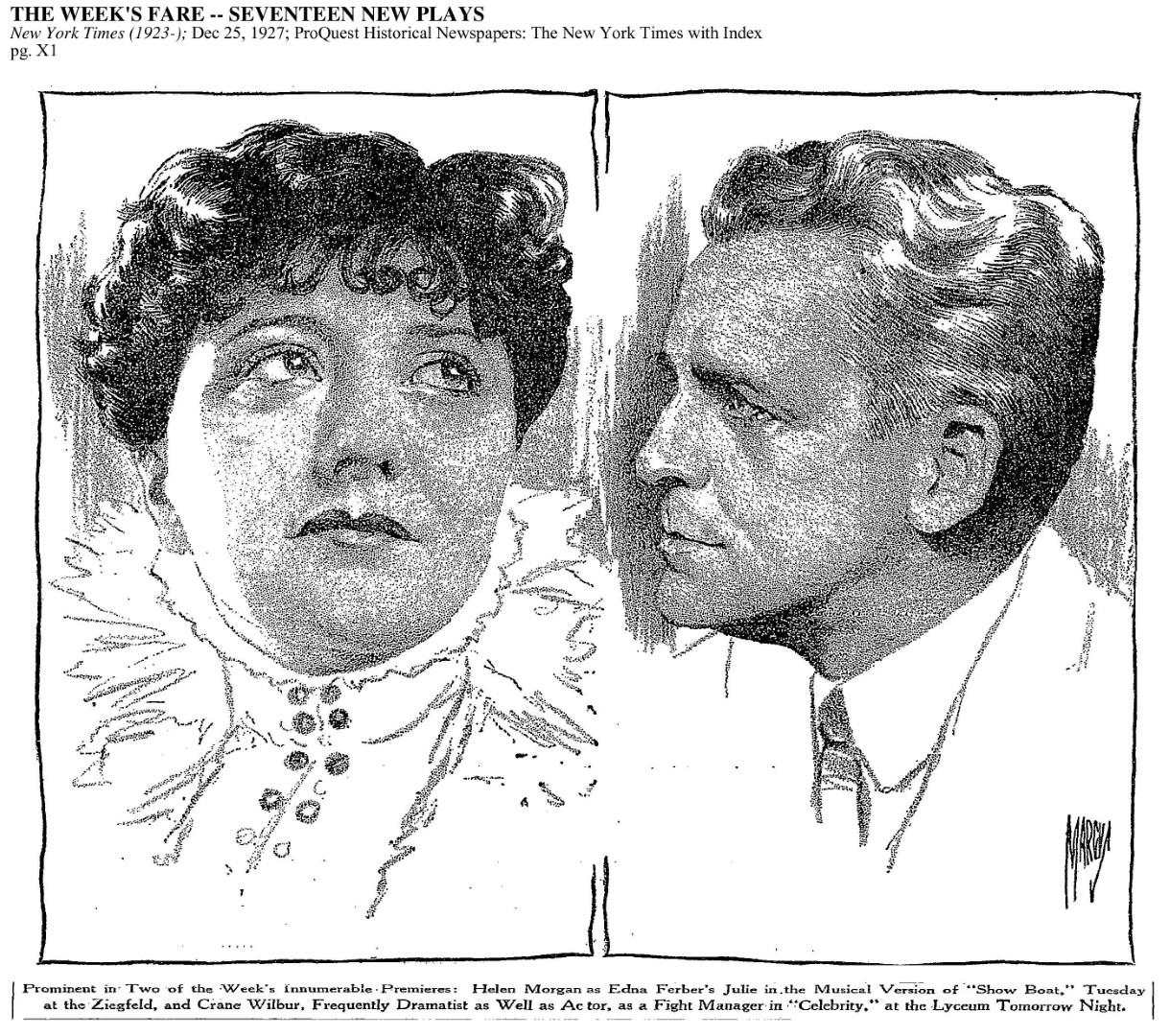
They dated from January 1929 to May 1933, but spent much of their time apart. Their period of involvement coincided with the busiest times of their careers. Helen spent weeks on end on the road for stage, vaudeville, and cabaret appearances. Arthur Loew was in charge of foreign distribution for MGM … during that tumultuous era, the transition to sound.

He was also a licensed pilot and often flew on business, especially to discuss sound films with South American distributors. He loved to fly. Helen, even moreso.

The summers of 1930, 1931 and 1932 afforded them the most time together, and they spent the majority of that time at Pembroke.

A Morgan passion at the time was gardening, and Arthur gave a patch of land on the estate for her use as a vegetable garden.

Helen also served as hostess when Arthur entertained. As the money behind MGM, the guest list often included the studio’s star talent, paying homage to the power behind Louis B. Mayer’s throne.

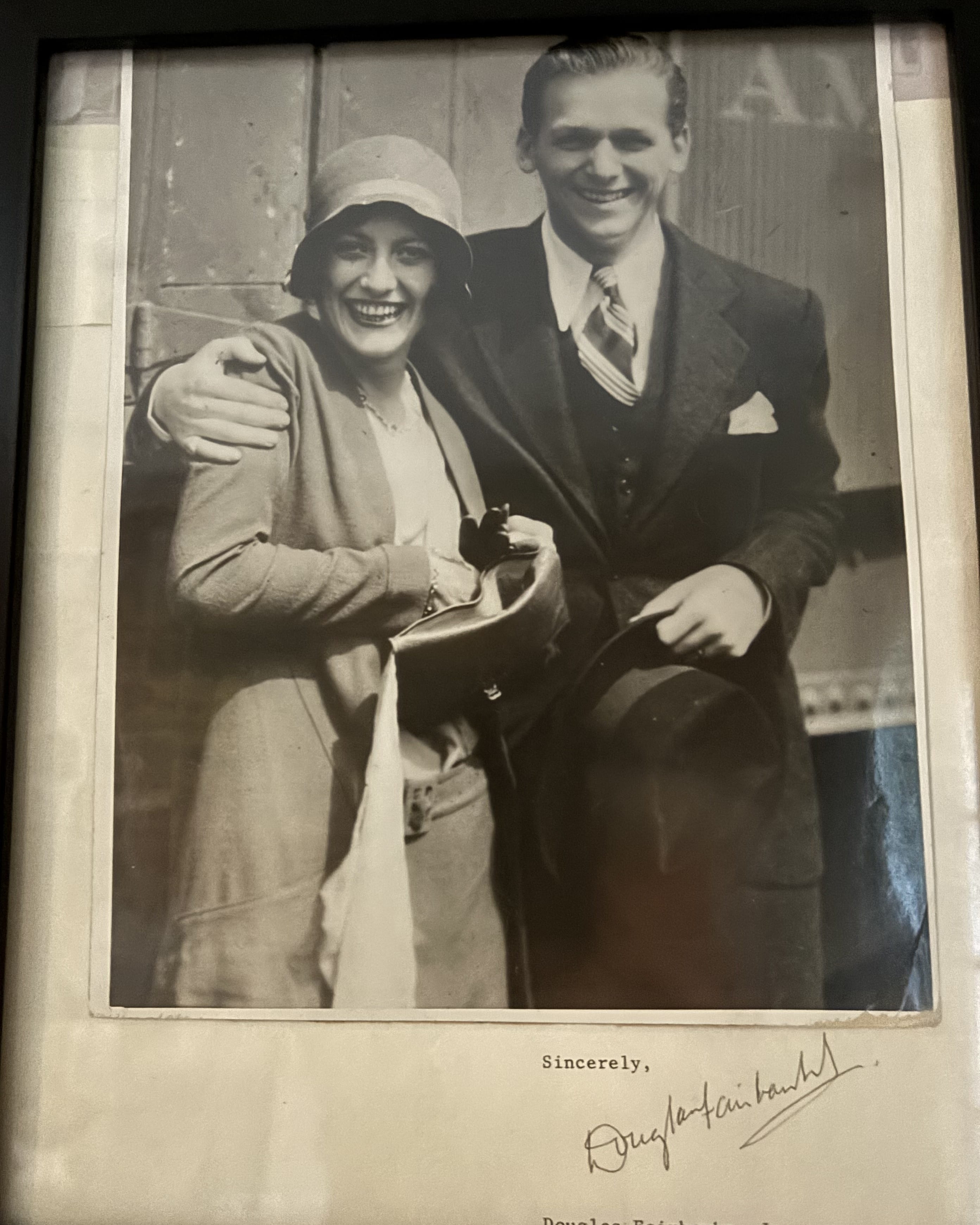
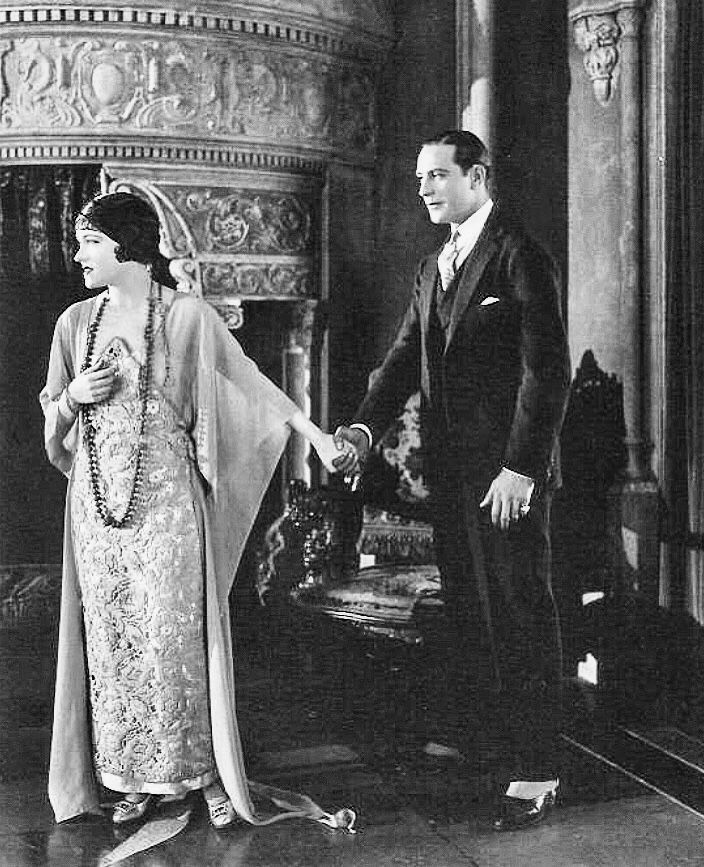
Over the 1932 Fourth of July weekend, Arthur and Helen played host to Joan Crawford and Douglas Fairbanks Jr., just off the liner from a European vacation.

In those days, Sunday was Broadway’s day off, and Helen spent that day away from the Show Boat revival tending to her vegetables while her houseguests entertained themselves.

Helen walked into the mansion at 7:30 that night, ready to quickly slip into a pair of hostess pajamas only to see Joan and Doug and Arthur in full evening dress.

Helen dashed upstairs to change into something formal.

The unions of both couples came to an end ten months later, but Helen remained friendly with Joan (and possibly to Doug as well).

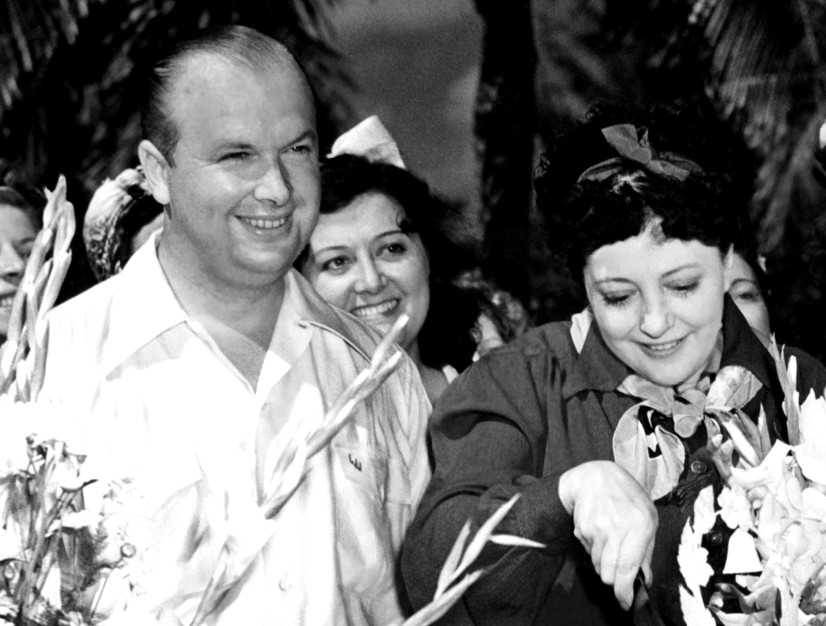
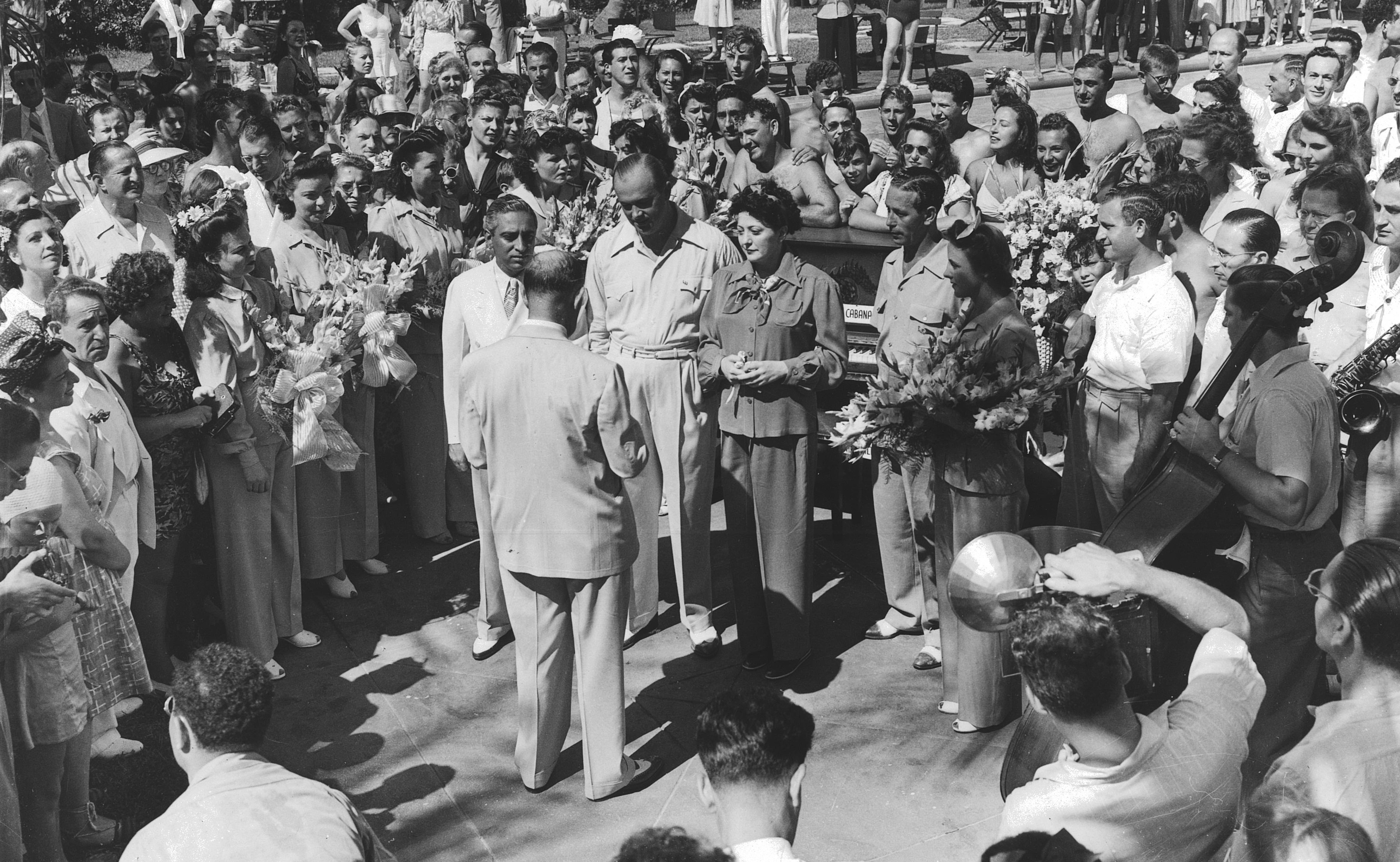
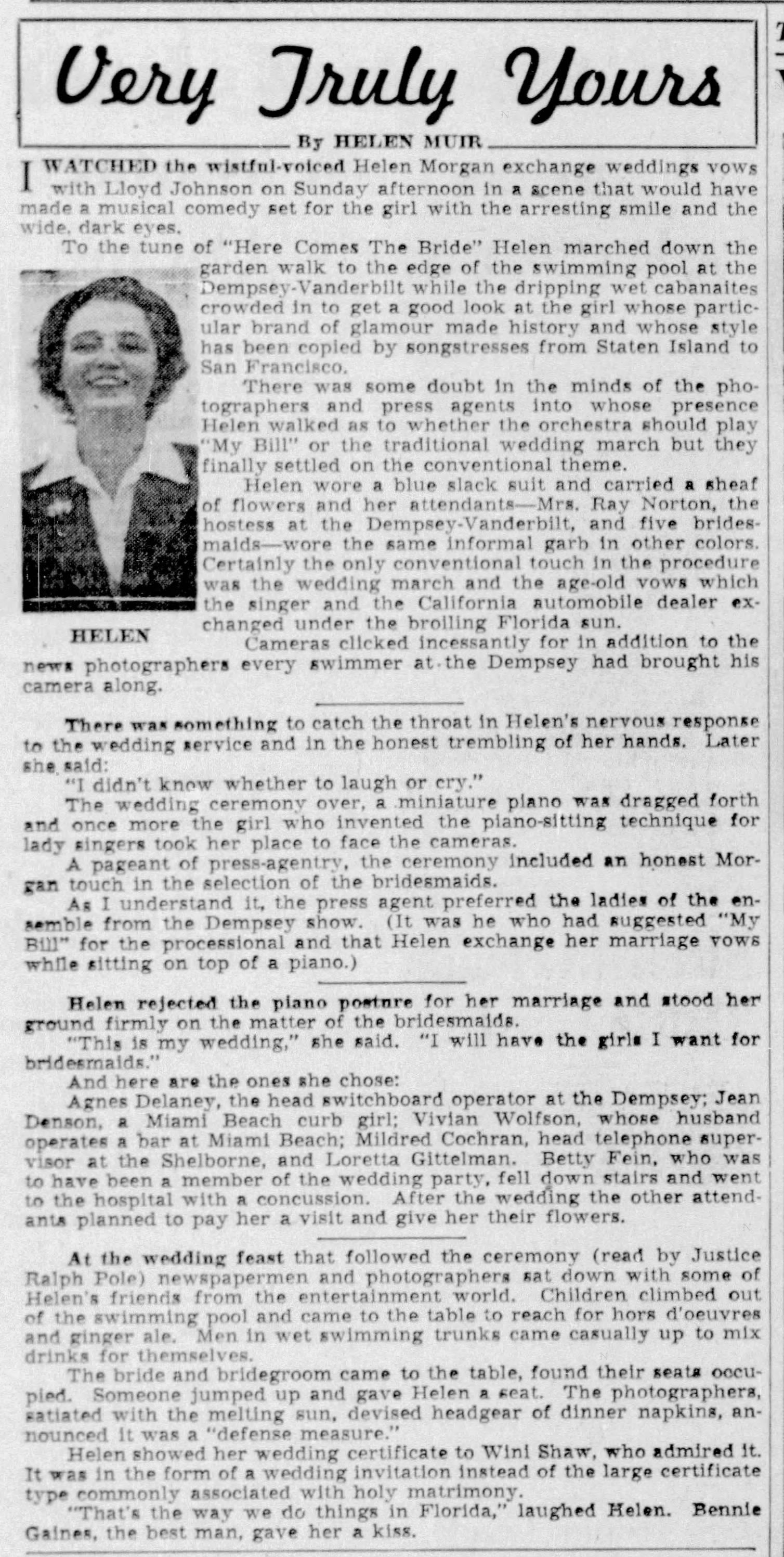
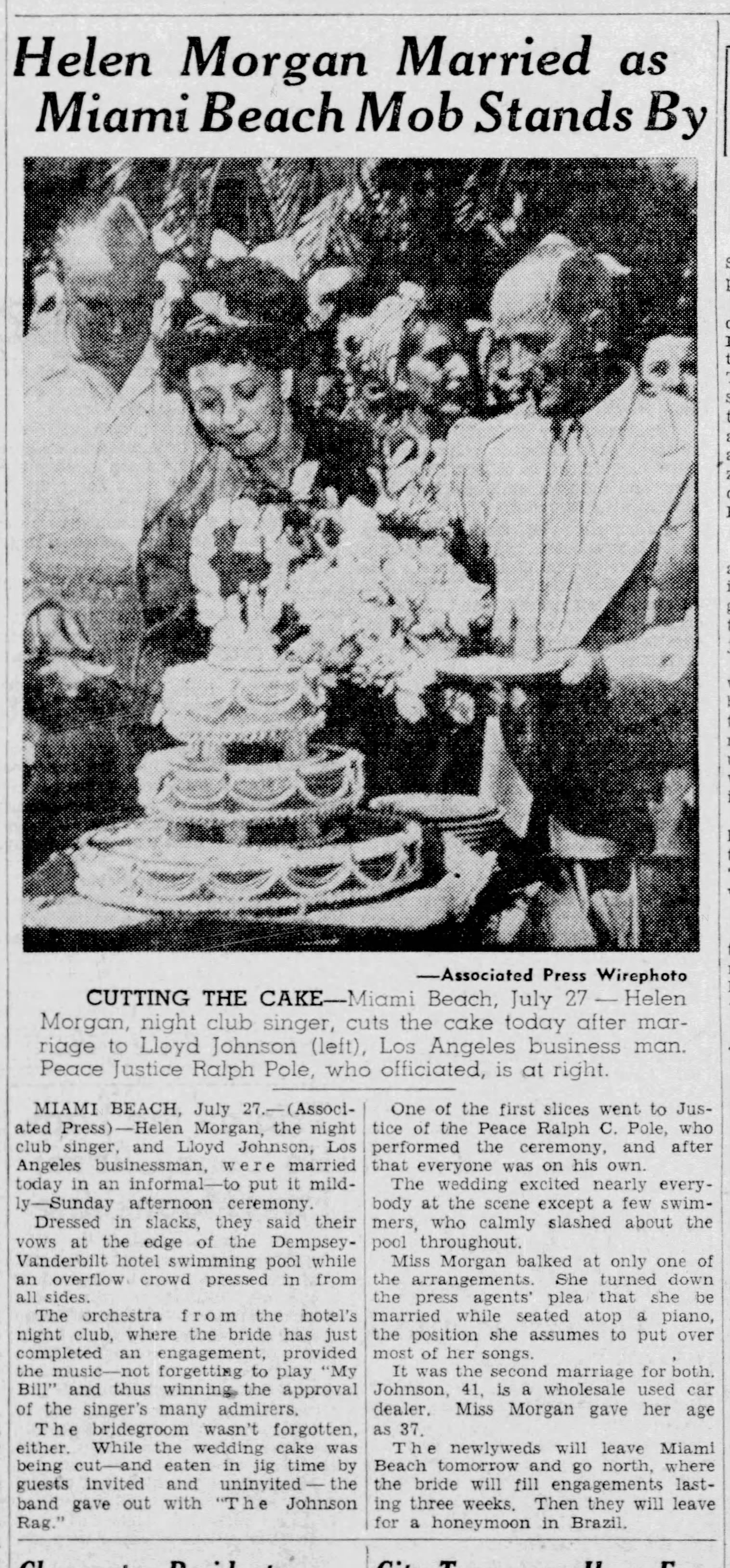
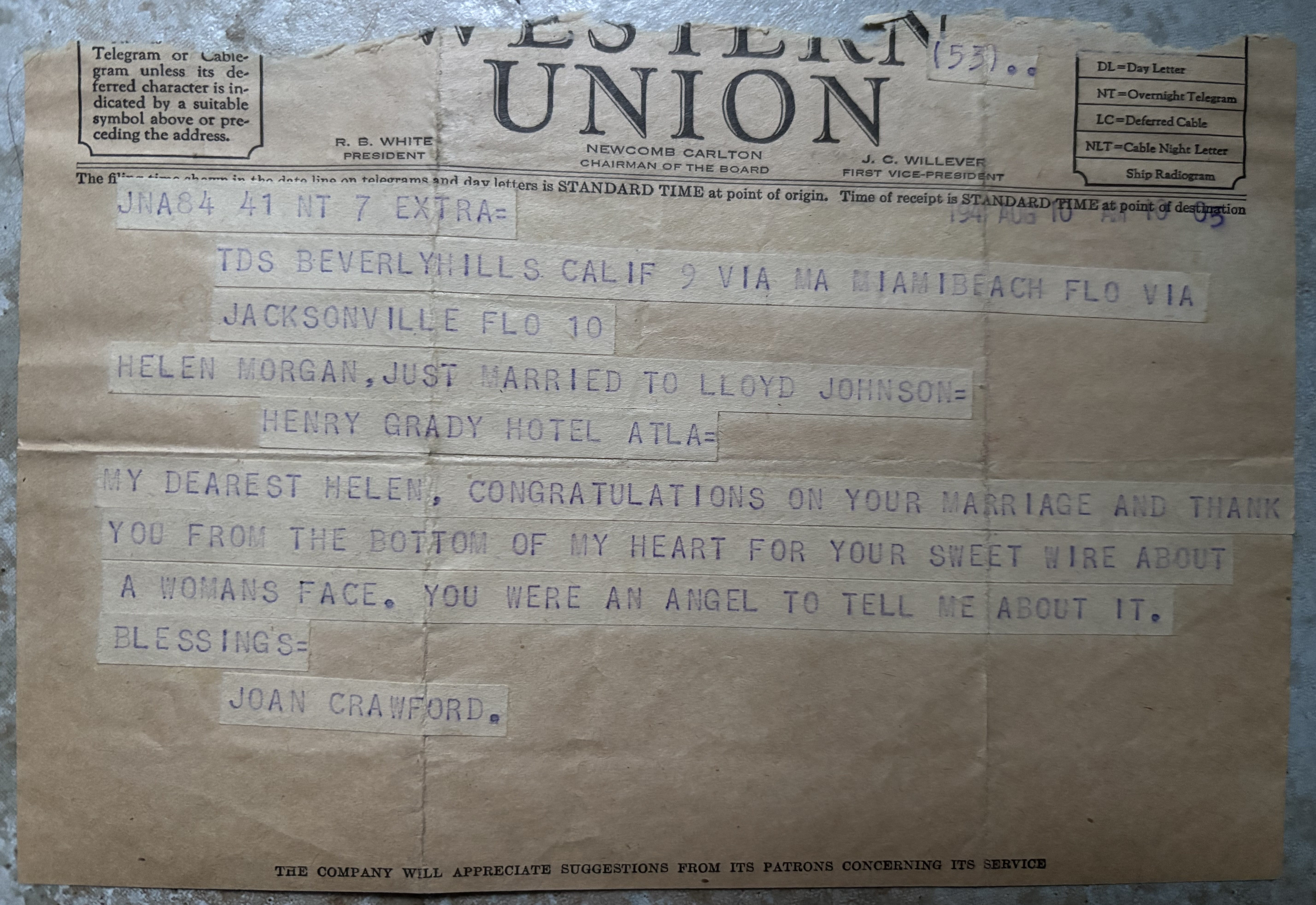
In July 1941, Helen married Lloyd Johnson, and Joan joined many many many others in telegramming good wishes to the happy couple.

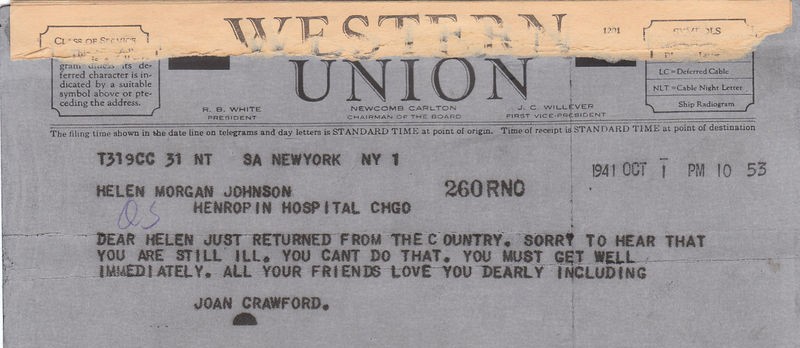
On October 1, 1941, Joan sent another wire to Helen.

The message went unread. Helen had slipped into a coma the day before. She never woke up. She died a week later.

Posted by: Christopher S Connelly | July 1, 2026

Pembroke

It is unclear when Helen Morgan met Arthur Loew …

… but what is clear is that by early 1929, they were an item. They were an item despite the fact that Arthur, son of Marcus Loew, was still very much married to Mildred, daughter of Adolph Zukor, founder of Paramount Pictures.

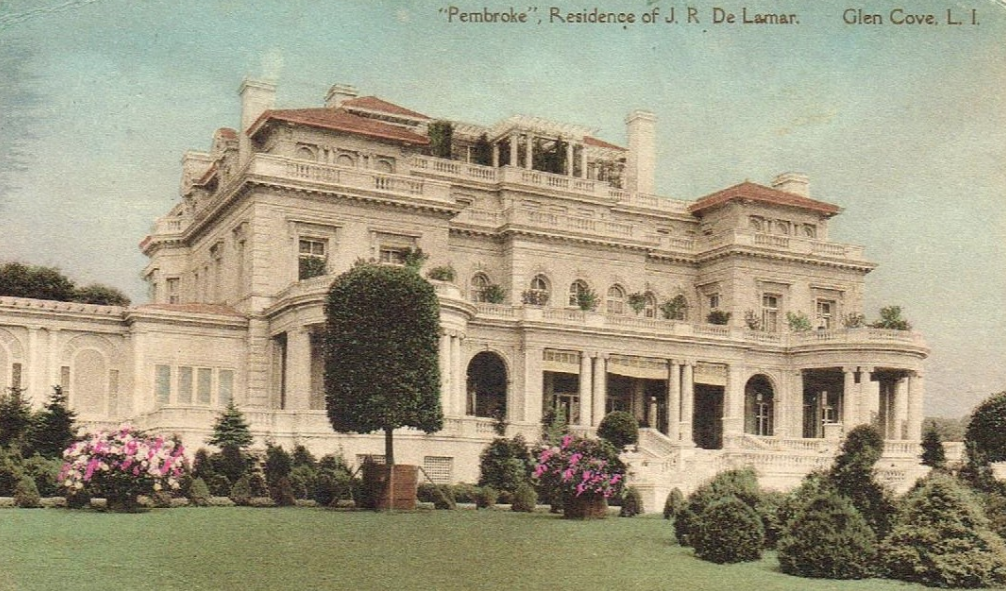
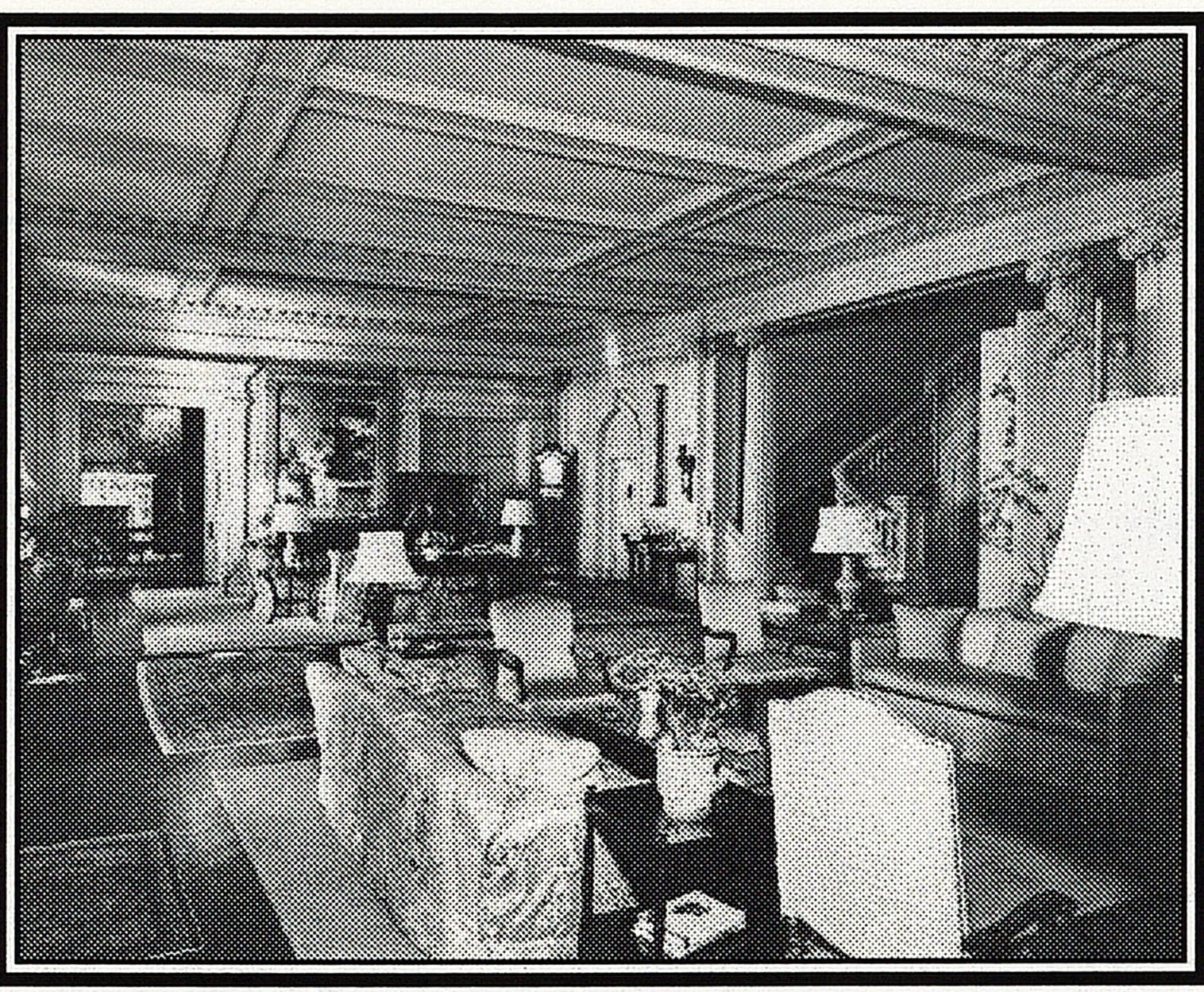
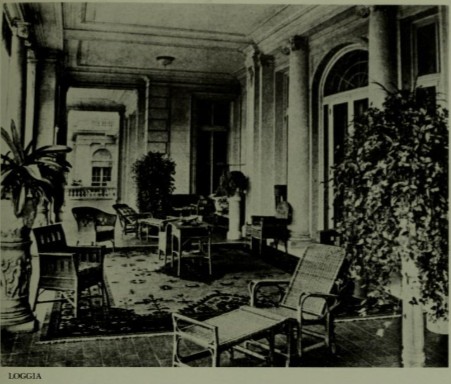
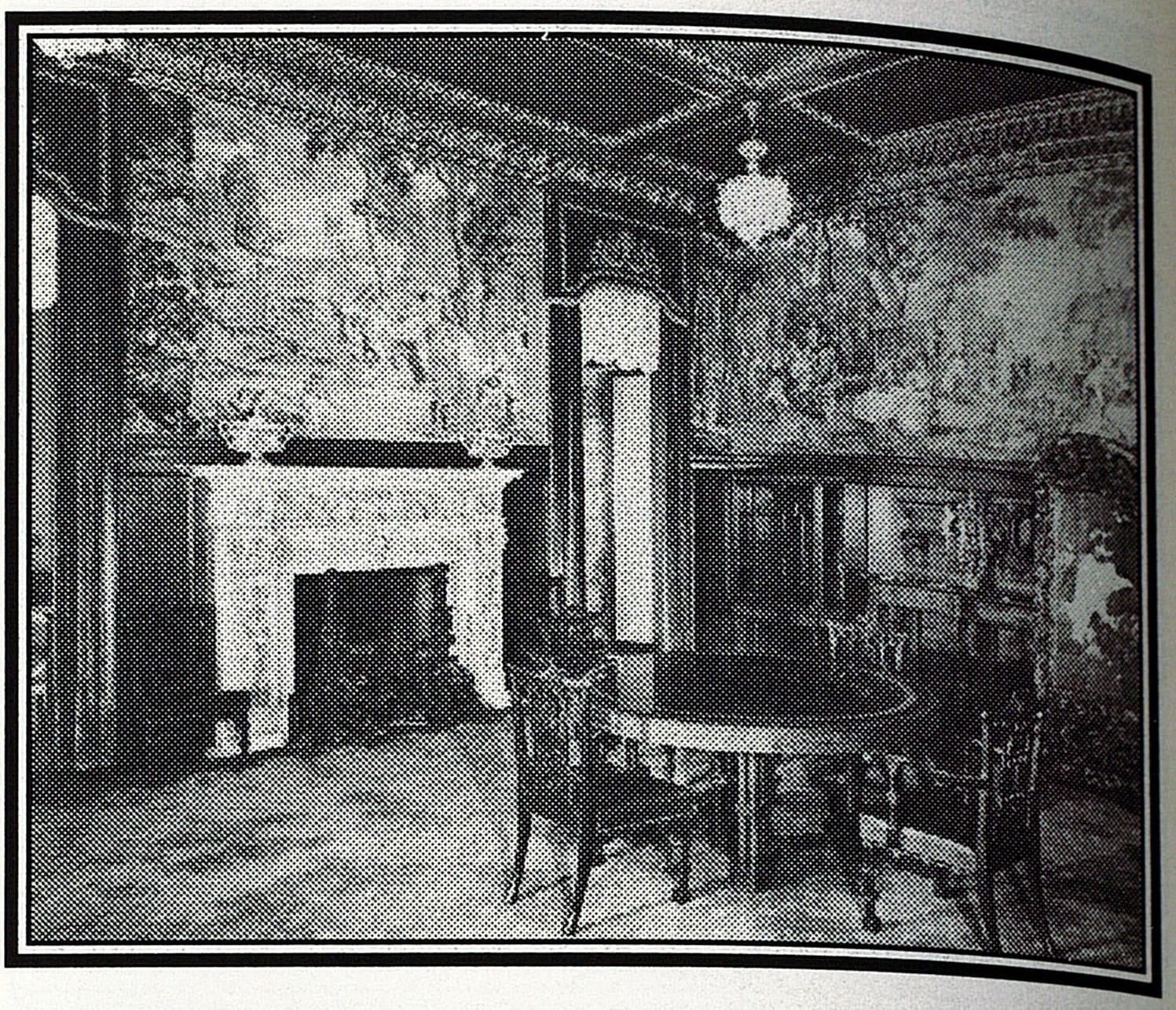
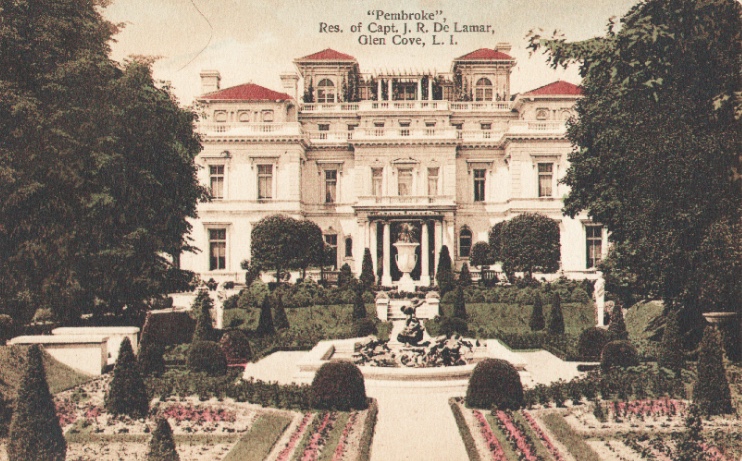
It was Marcus, the money behind Loews Theatres and MGM, who purchased Pembroke, the Long Island Gold Coast mansion of the late Joseph De Lamar, at public auction in October 1924.

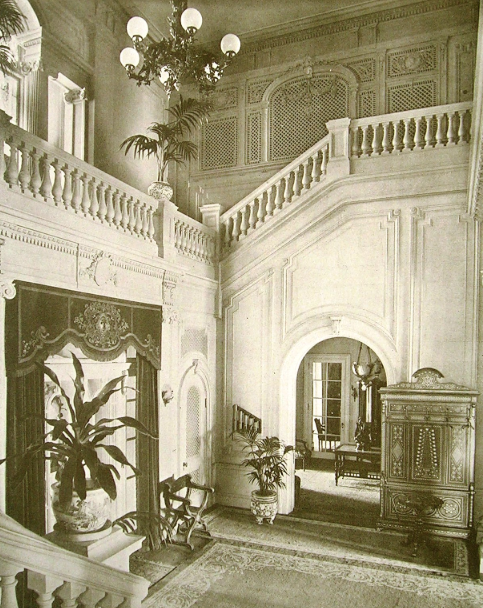
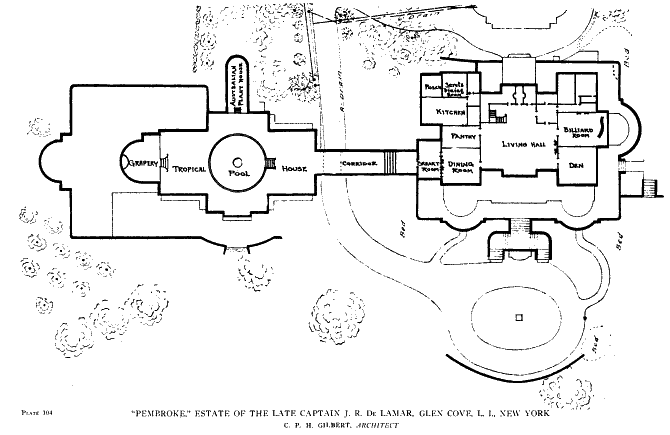
This drawing gives a good layout to the ground floor.

Marcus Loew likely became aware of the property, or at least, the availability of the property earlier in 1924, when it was used as a filming location for the Gloria Swanson film A Society Scandal.

A Society Scandal (1924) is, sadly, a lost film

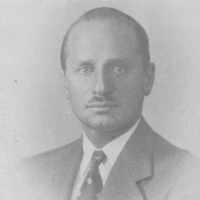
After Marcus’ death in 1927, Arthur bought out the shares of the property from his mother and twin-brother David and kept Pembroke for himself.

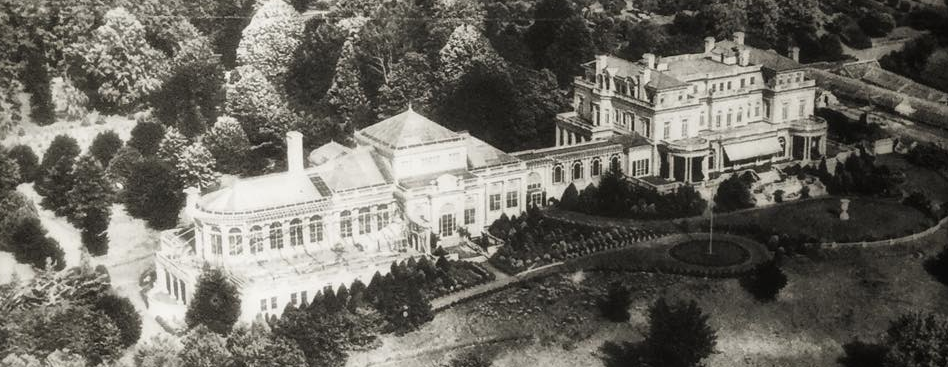
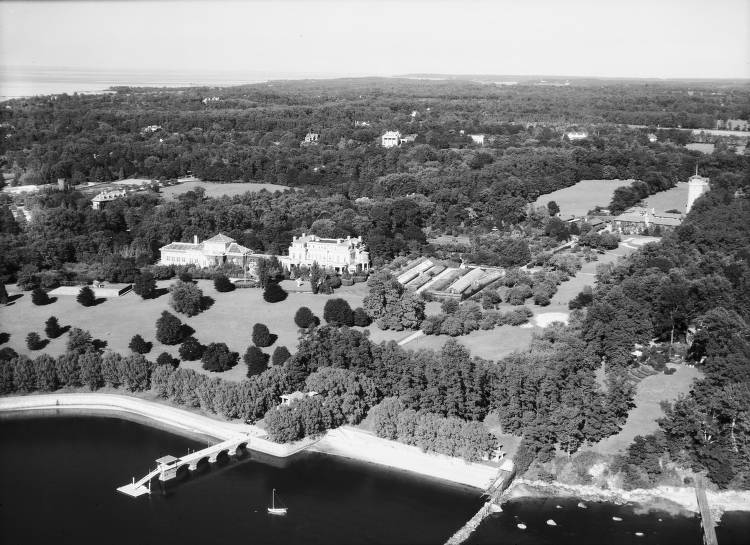
The eighty-room mansion was situated on Long Island’s north shore on forty-six acres.

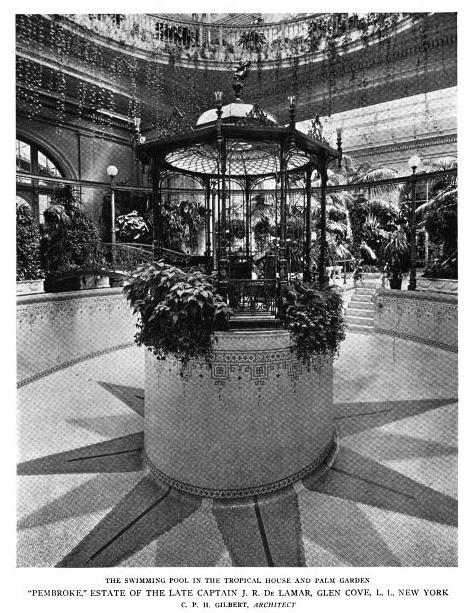
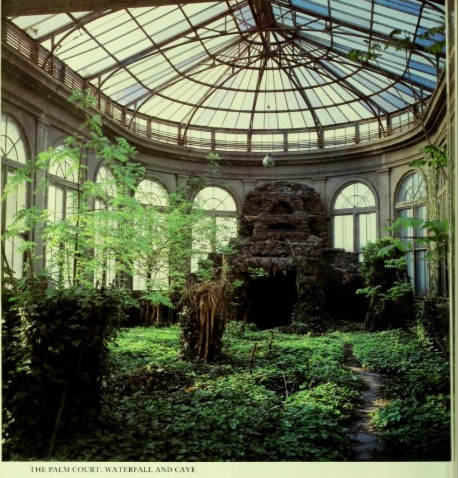
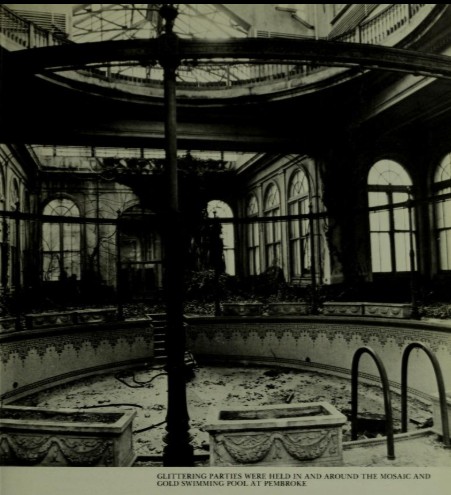
In addition to more pedestrian luxuries like Tiffany glass, tennis courts, an indoor shooting gallery, swimming pool …

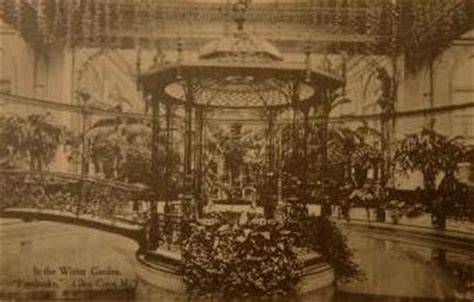
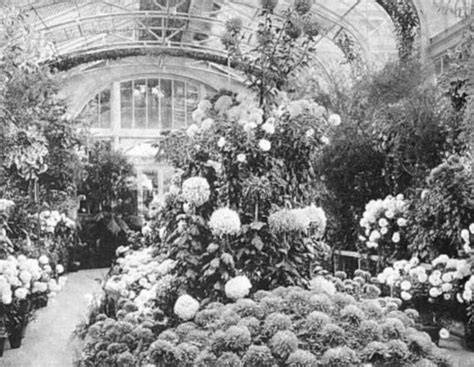
… and home theatre, Pembroke boasted a private golf course, a tropical house …

… and rows of greenhouses that kept the estate in fresh vegetables year-round.

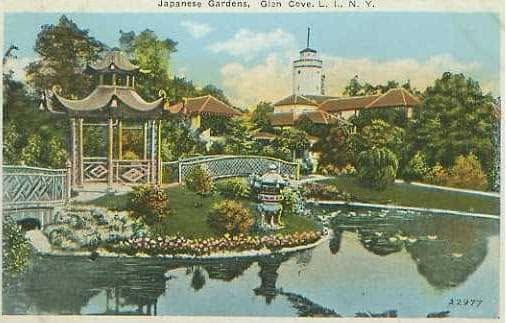
And, of course, a Japanese garden …

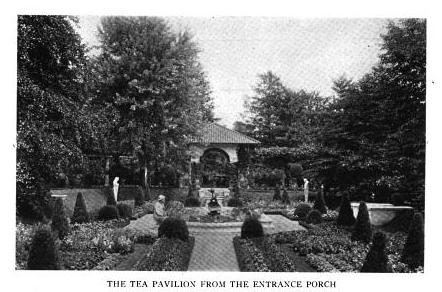
… and tea pavilllion.

Arthur’s improvements to the property included the addition of a landing field for his multiple airplanes and a private dock for his yacht. (During the warmer months, he commuted to Manhattan by boat.)

As with many Gilded Age cottages, upkeep and taxes proved to be burdensome after WWII. In 1956, Arthur had enough, boarded up Pembroke and moved into the beach house on the estate.

Uninhabited, the mansion fell into disrepair.

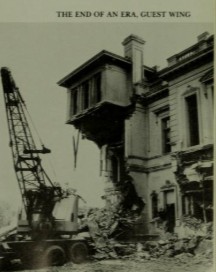
In 1963. he married Jacqueline Gebhard Tull, a Phoenix divorcee with three children, despite the fact that she was five years younger than his own daughter. He built his new bride a more human-sized house on the property while he tried to donate the mansion and other buildings to a church or university. No one wanted the expense of upkeep for the main house, and so, Arthur demolished it.

Jackie (wife number four) was by his side when Arthur died of cancer on September 6, 1977, fifty years and one day after the death of his father.[i]

Although he willed the new house to Jackie, the bulk of the land and the majority of the other outbuildings he successfully donated to Dartmouth once the onus of the main house was removed from the equation.

Jackie sold the new house and re-married within a year of Arthur’s death.


[i]       Variety, September 14, 1977.

Posted by: Christopher S Connelly | June 18, 2026

What a Life – The Louis Alter Story

Jerome Kern and Oscar Hammerstein II wrote the songs that are most affiliated with Helen Morgan, but she championed the work of other tunesmiths as well. In 1927, she brought back the Gershwins’ The Man I Love” from the UK and included it in her cabaret act … and almost single-handedly turned it into a standard. The Morgan touch worked a similar magic on “Body and Soul” (Johnny Green, Edward Heyman, Robert Sour and Frank Eyton) in 1930.

Still, after Kern and Hammerstein, she was most loyal to Louis Alter.

Alter was born in Haverhill, Massachusetts on June 18, 1902. During the 1920s, he toured in vaudeville as the accompanist to Nora Bayes. While working with Bayes, he began composing. After her death in 1928, Alter began writing in earnest.

His first big hit was “Manhattan Serenade,” a sort of second cousin to Gershwin’s “Rhapsody in Blue.”

He also wrote for film. One of his first film songs to get any traction was “Got a Feeling For You.” None other than Joan Crawford introduced it in the MGM revue film, The Hollywood Revue.

He earned two Academy Award nominations for Best Song:

  1. 1936: “A Melody from the Sky” from The Trail of the Lonesome Pine (lost to “The Way You Look Tonight” from Swing Time)

2) 1941: “Dolores” from Las Vegas Nights (lost to “The Last Time I Saw Paris” from Lady Be Good)

Alter likely entered Helen Morgan’s orbit in early 1931, when she appeared as a guest artist in Arthur Hammerstein’s Ballyhoo (Alter contributed to the score).

He supplied “The Man I Used to Love,” a proposed sequel to “The Man I Love” for Helen to sing in the 1931 edition of the Ziegfeld Follies. The song occupies a spot on the laundry list of special material for Morgan in that frustrating production. Like the others, it failed to click and was cut after only a few performances. The song appears to have evaporated as no commercial recording or sheet music was ever issued.

Nevertheless, Alter and Morgan clicked and, by the fall, Lou Alter was Helen’s go-to accompanist … and songwriter.

His best effort for Morgan was “What a Life” (“Trying to Live Without You.”) The song went over big when Helen introduced it in her act at the New Club Lido. Perhaps too big, for Warner Brothers swooped in and purchased it, likely robbing Morgan of the chance of recording it commercially.

Warners used the song in their epic The Rich are Always With Us, as well as the shorts The Audition and Artistic Temper – in the latter, sung by Ruth Etting.

Helen continued to feature the song in her act and accidentally preserved it on the radio series Ziegfeld Follies of the Air.

The song starts at the seven minute mark

Alter and Morgan only cut two discs together, but they were biggies. Literally.

On August 9, 1932, Helen waxed her only 12″ records, for the Brunswick Show Boat album. Victor Young conducted, Louis Alter played the piano and provided his rococo embellishments.

Morgan continued to use Alter as an accompanist, off-and-on, through 1934, and continued to use his material in her act and on the radio.

Alter was a great fit for Morgan, not only as an accompanist, but as a vocal coach.

He believed in Morgan’s dream of playing Camille and wrote a musical version of the old warhorse as a potential Morgan vehicle. It was never produced on stage. When Morgan signed with Warner Brothers, Alter offered his Camille to the studio. Legend has it that Helen’s estranged husband, Maurice “Buddy” Maschke Jr. put the kibosh on the deal when he pushed for too much money for the package of property and star. Perhaps, but regardless, Warners passed on this Camille.

From the beginning, Helen included a mix of songs in her stage and cabaret act, even after Victor Records confined her recording chores to weepy ballads. Alter saw the wisdom of Morgan providing a varied program and contributed upbeat and even comic songs, like “Steak and Potatoes” and (Hi-Ho Lack-a-Day)”What Have We Got to Lose” to the Morgan repetoire.

During the 1934-35 season, even though her professional relationship with Lou was ending, Helen continued to champion him. In September 1934, while under contract to Brunswick records, Morgan waxed Alter’s “(I’ve Got) Sand in My Shoes” to accompany “When he Comes Home to Me.” The A-side was Morgan’s song in the Paramount film “You Belong to Me.” The Alter effort was from the film Convention Girl.

It is fitting that Helen’s last commercial recording would be of a Lou Alter tune. On January 9, 1935, Helen recorded “The Little Things You Used to Do” from her picture, Go Into Your Dance. For the flip-side, she sang Alter’s “I Was taken By Storm,” from the film Dizzy Dames.

Posted by: Christopher S Connelly | May 12, 2026

The Grandest Show You’ll Ever Know

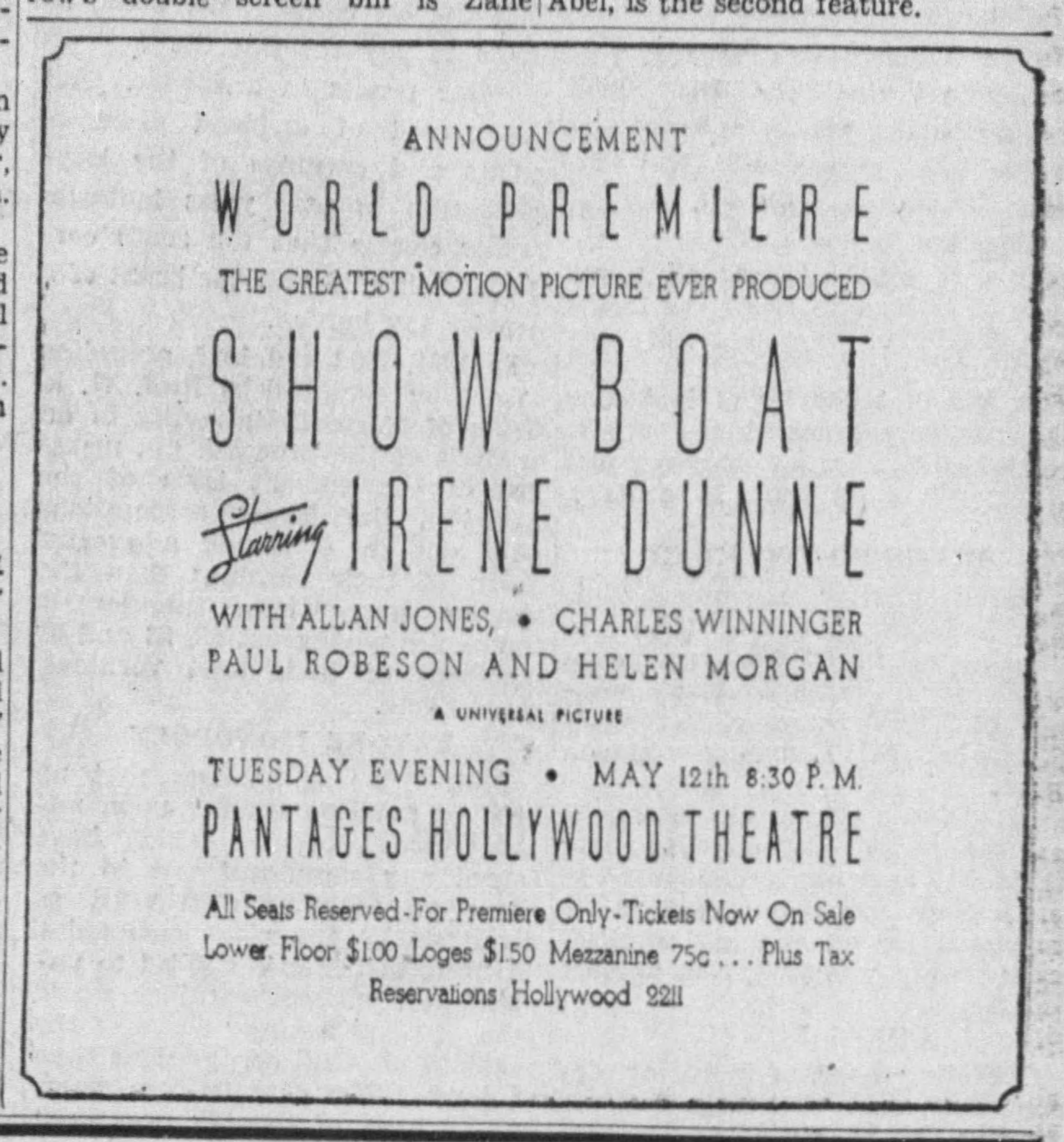
May 12, 1936

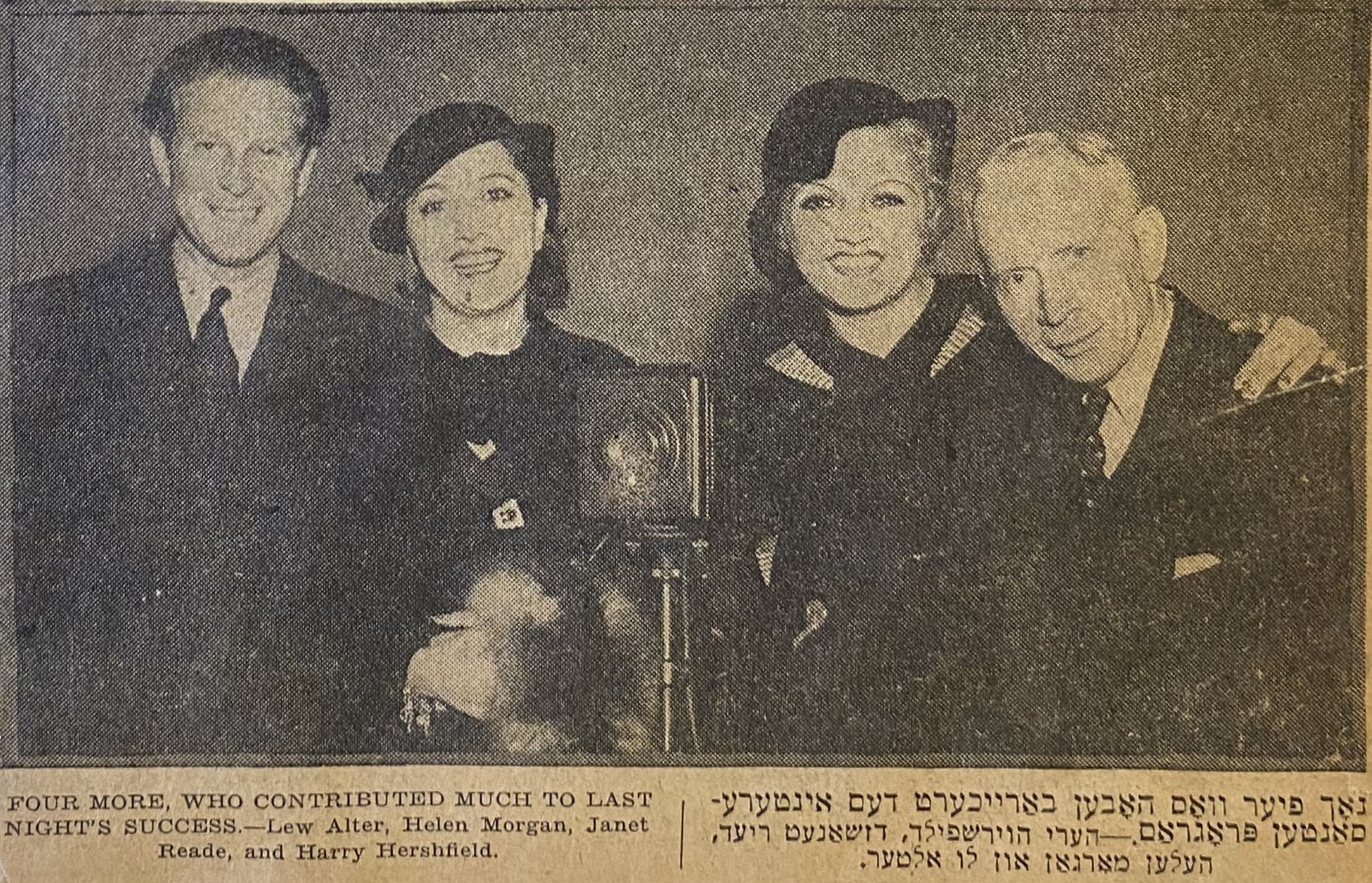
Ninety years ago today, Universal’s 1936 film version of Show Boat premiered at the Pantages Theatre in Hollywood.

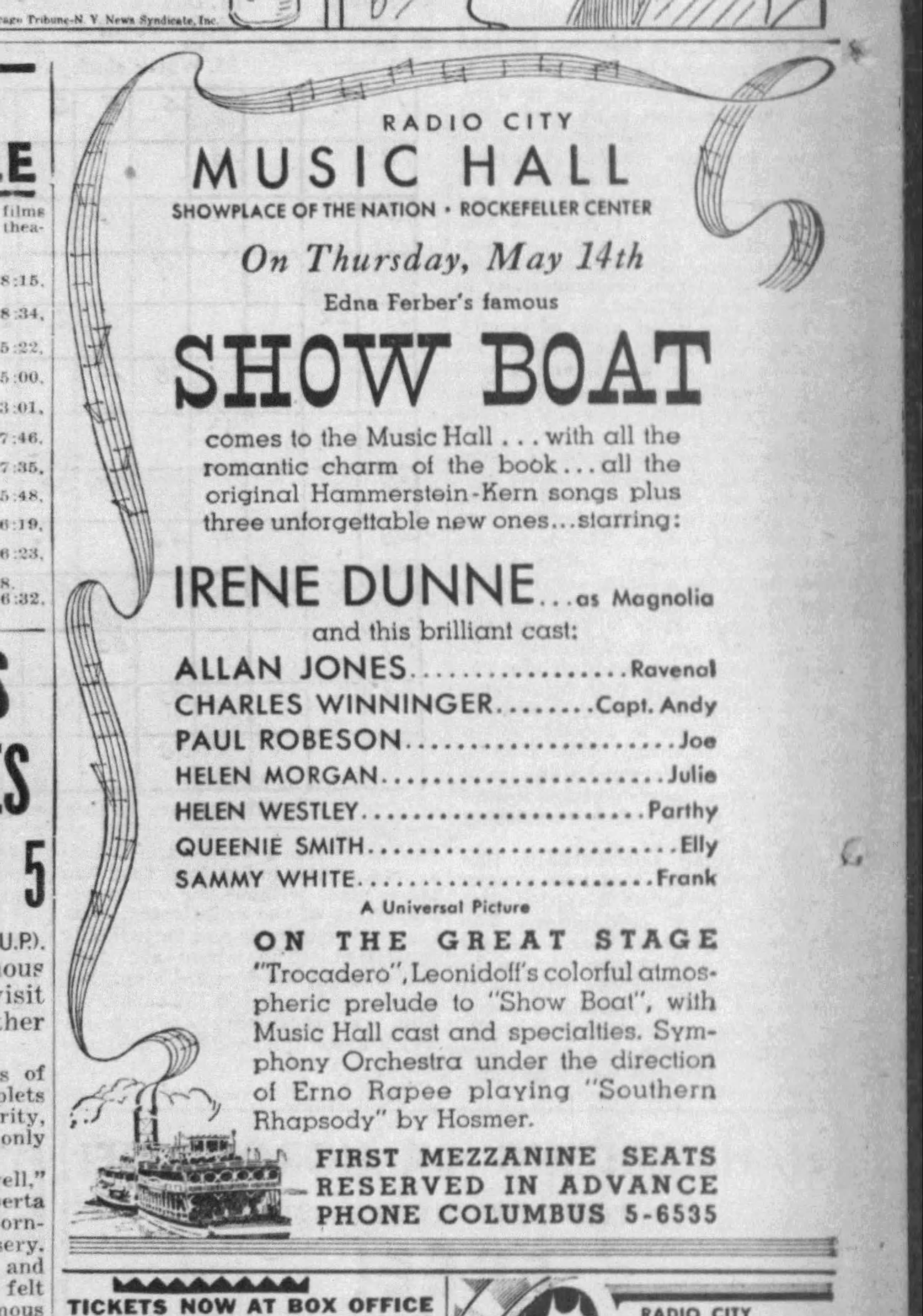
The film would open in other large U. S. markets later that week – San Diego, San Francisco, and most famously at Radio City with a live stage show that included Robert Weede …

… but the booking at the Hollywood Pantages was the first.

James Whale’s film version of the beloved stage musical also marked several “lasts” as well.

This Show Boat proved to be the last film produced by Carl Laemmle Jr. The Laemmle family lost control of the studio Carl Laemmle Sr. founded just two months before the launch of one of their greatest triumphs.

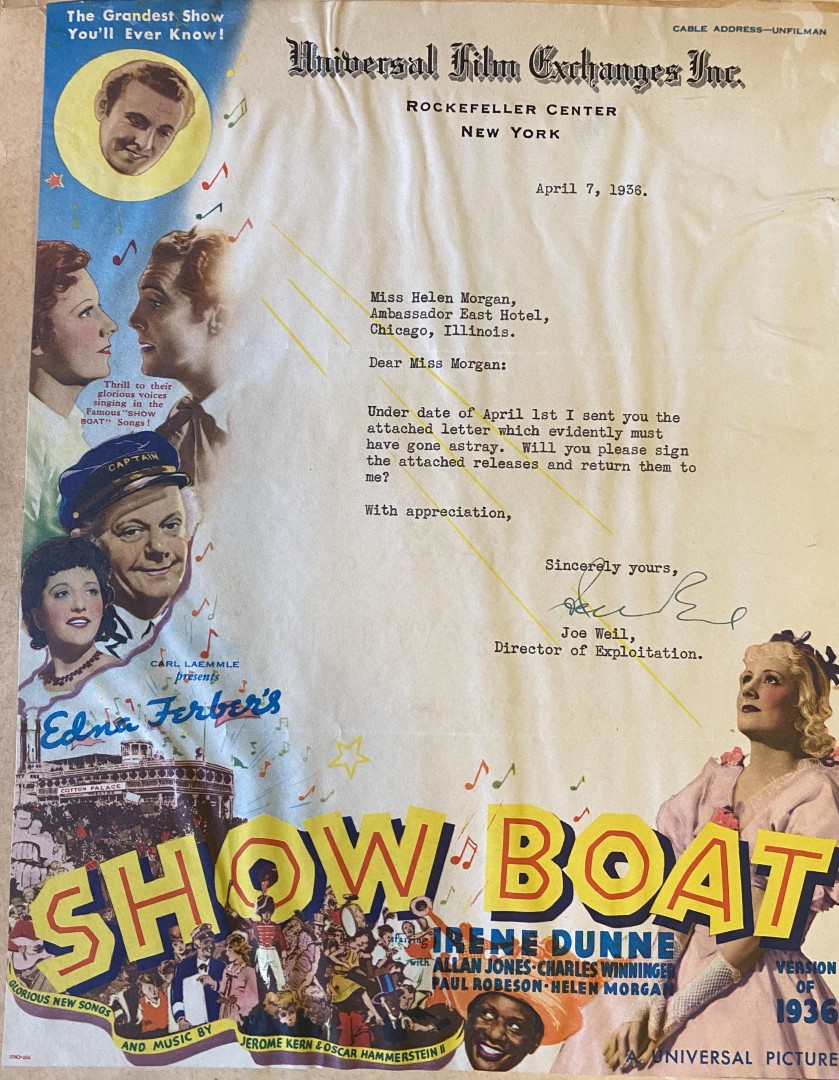
Nevertheless, the outgoing, as well as the incoming, management knew they had something special on their hands, as their special Show Boat stationary illustrates.

Other “lasts”:

James Whale would continue to direct feature films for another five years – but without Junior Laemmle’s patronage, Whale’s career went into decline.

Technically, Show Boat also marked the last film appearance of Helen Morgan.

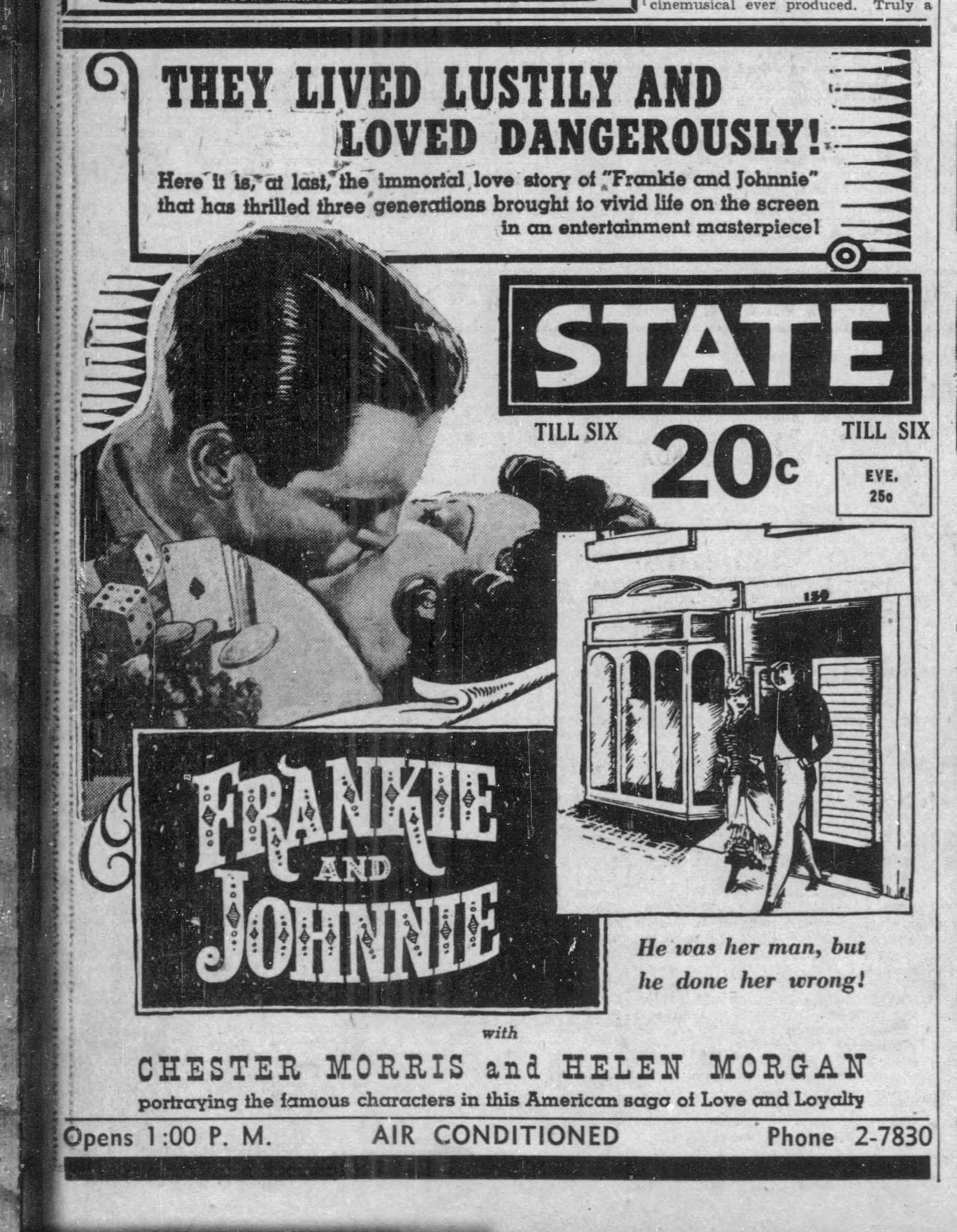
Why “technically”? Show Boat was the last film Morgan shot, but the long-aborning Frankie and Johnnie rode the coat tails of its more famous cousin into many U.S. markets … but not all. In fact, Frankie and Johnnie went into limited release a month before Show Boat, beginning at Miami’s State Theatre on April 12, 1936.

Most of Frankie and Johnnie‘s early bookings were in smaller markets (Racine WI, Sioux City, Allentown, Clinton IN, etc.) but folks in Pittsburgh, Kansas City, and Tampa had the opportunity to see Morgan’s Frankie before comparing it to her Julie.

Sadly, trailers to both films are not known to survive, but some enterprising person whipped up this:

There are worse things you could do today than to give the 1936 version of Show Boat a viewing, be it for the first or 90th time.

Posted by: Christopher S Connelly | March 21, 2026

Raise a Glass – to Lilyan Tashman

92 years ago today, Lilyan Tashman died.

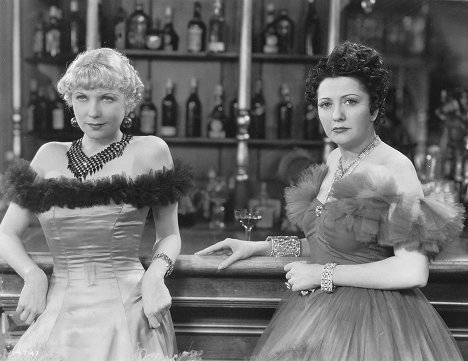
Lilyan Tashman (left) and Helen Morgan (right) in Frankie and Johnnie

Tashman was a Broadway staple in the nineteen teens. Statuesque and blonde, she started out as a Ziegfeld showgirl (The Century Girl and the Ziegfeld Follies of 1916 and 1917) before moving on to small parts in Broadway plays, most notably David Belasco’s original production of Avery Hopwood’s The Gold Diggers.

In the early twenties, she transitioned seamlessly into film, first in the east and later in Hollywood. She typically played deliciously hard-boiled gold diggers, especially after sound came in. She won Photoplay Award for “Best Performance of the Month” twice: first for Bulldog Drummond (July 1929) then for Girls About Town (December 1931.)

Tashman had battled cancer for over a year before she stepped onto the set of Frankie and Johnnie in mid-February 1934 as happy homewrecker Nelly Bly. Despite her illness, she soldiered on by sheer will, but even that was not enough. After a week’s work, she took a week off to recuperate. She returned for an additional ten days, wrapping on March 9, 1934.

Twelve days later, she was dead. Her circus of a funeral matched the insanity that marred Valentino’s passing. Ghouls gathered not only to see the body, but mourners Mary Pickford, Bing Crosby and eulogist Eddie Cantor.

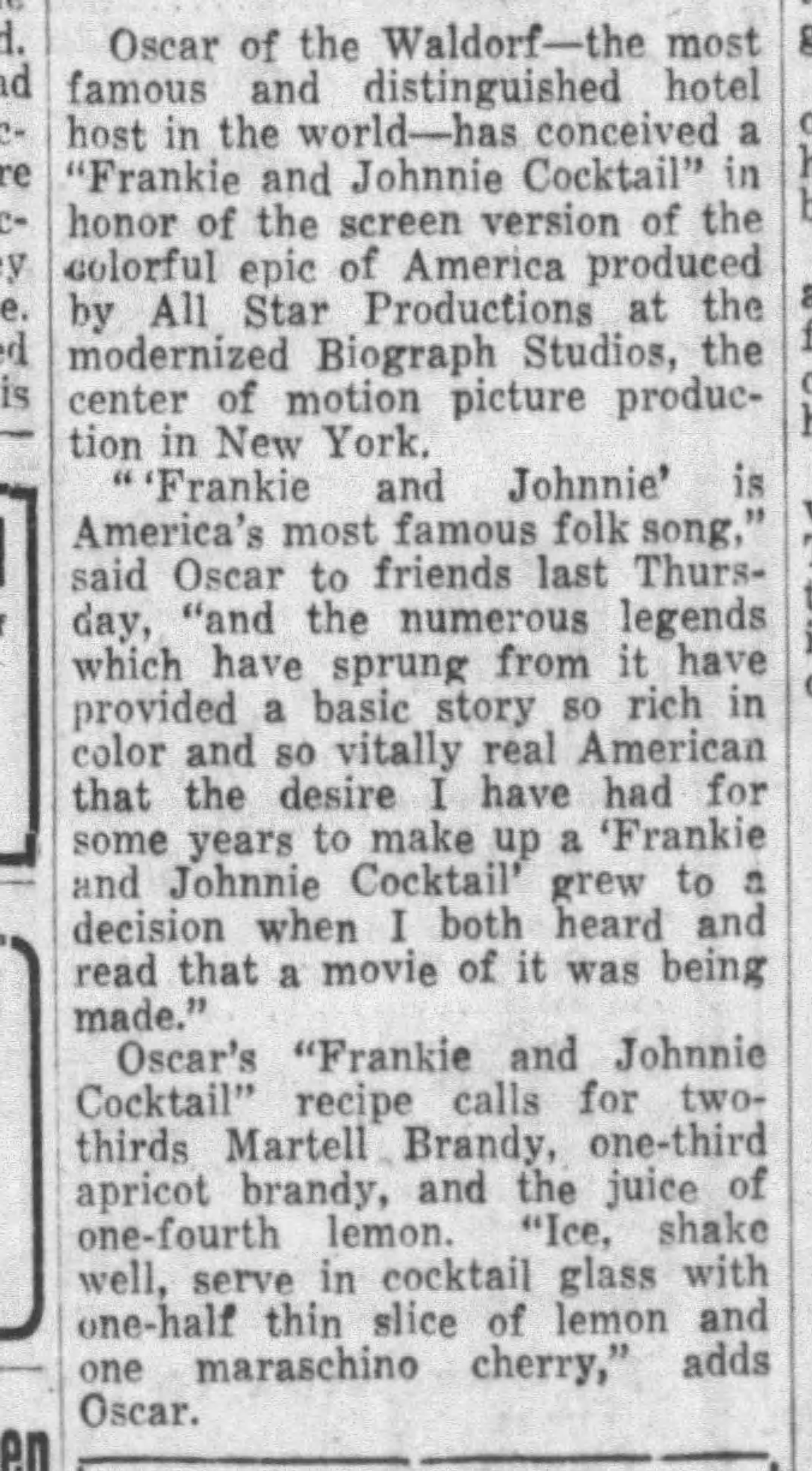
Meanwhile, unrelated to her illness, but very much in anticipation of the film Oscar Tschirky of the Waldorf created the Frankie and Johnnie cocktail.

Dayton Daily News, March 23, 1934 – The important part

In those heady days of Repeal, the cocktail was a successful novelty, but its popularity lagged after Tashman’s death and Frankie and Johnnie left the public consciousness.

A well oiled studio machine might well have gotten the film out in time to beat the incoming Production Code, but as an independent director/producer, Chester Erskine was afforded no such luxury. The print for Frankie and Johnnie came back from the lab in early July, days too late to get the film into theatres. Two years would pass before the film, heavily edited and with a completely new second act, reached theatres. Tashman was deliberately uncredited in a vain attempt to fool patrons that this was a new production.

So, raise a glass to Lilyan Tashman and catch one of her naughty girl performances on TCM or YouTube while sipping a Frankie and Johnny.

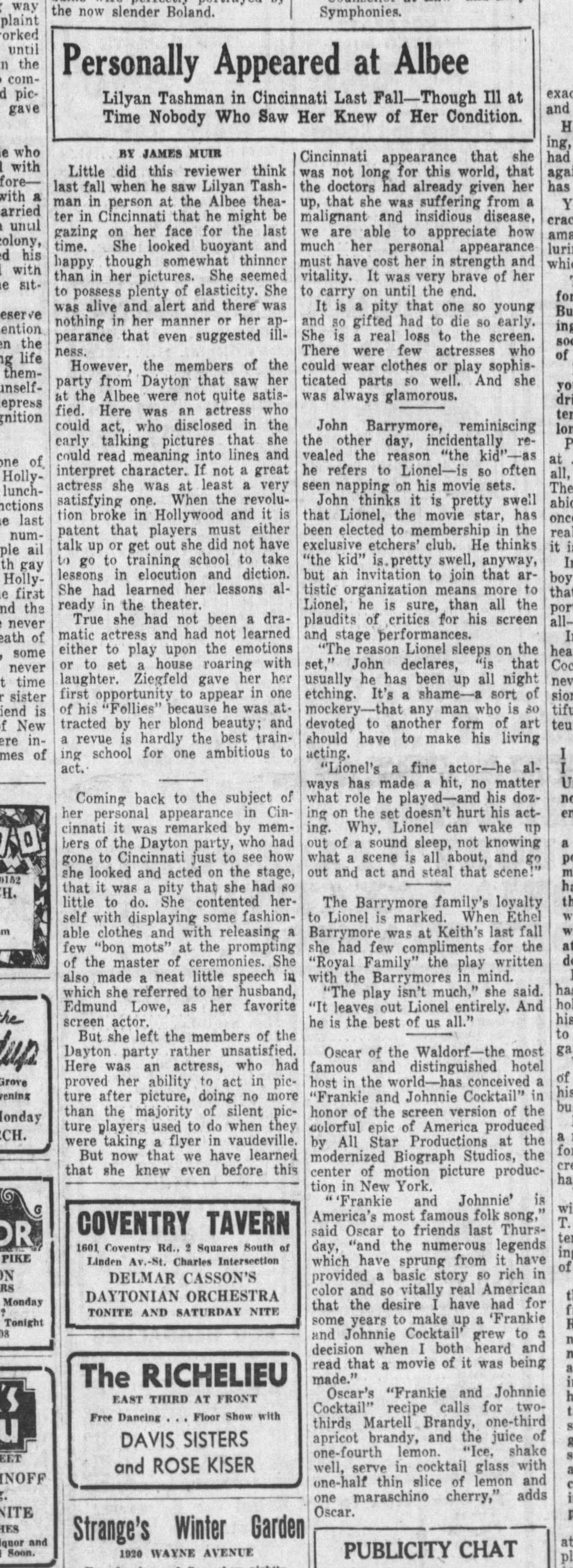
Dayton Daily News, March 23, 1934 – the full article

Posted by: Christopher S Connelly | March 2, 2026

Whatever Happened to … “Portrait of a Girl in Black”

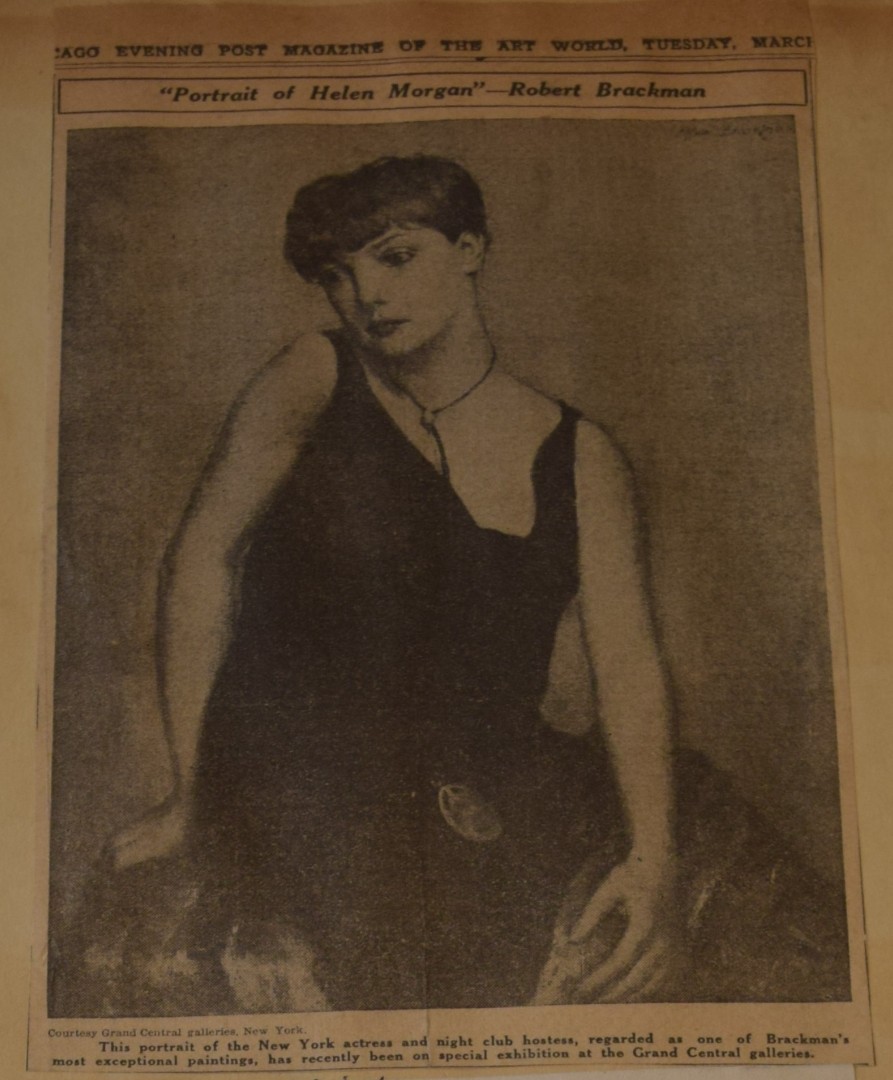
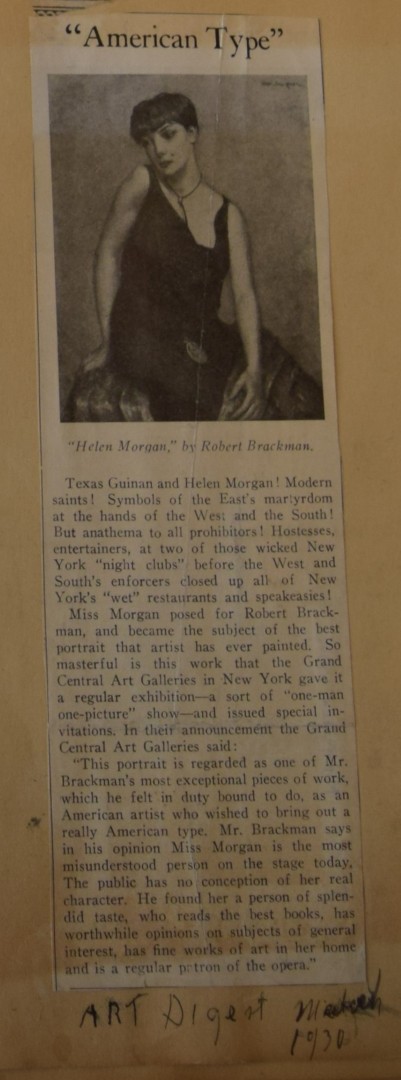
During the Broadway run of Sweet Adeline, Russian-born artist Robert Brackman asked Helen Morgan to sit for a portrait.

The result, “Portrait of a Girl in Black,” was first exhibited at the Grand Central Art Galleries in March 1930.

Yes, initially, the Gallery was located on the sixth floor of Grand Central Terminal in New York.

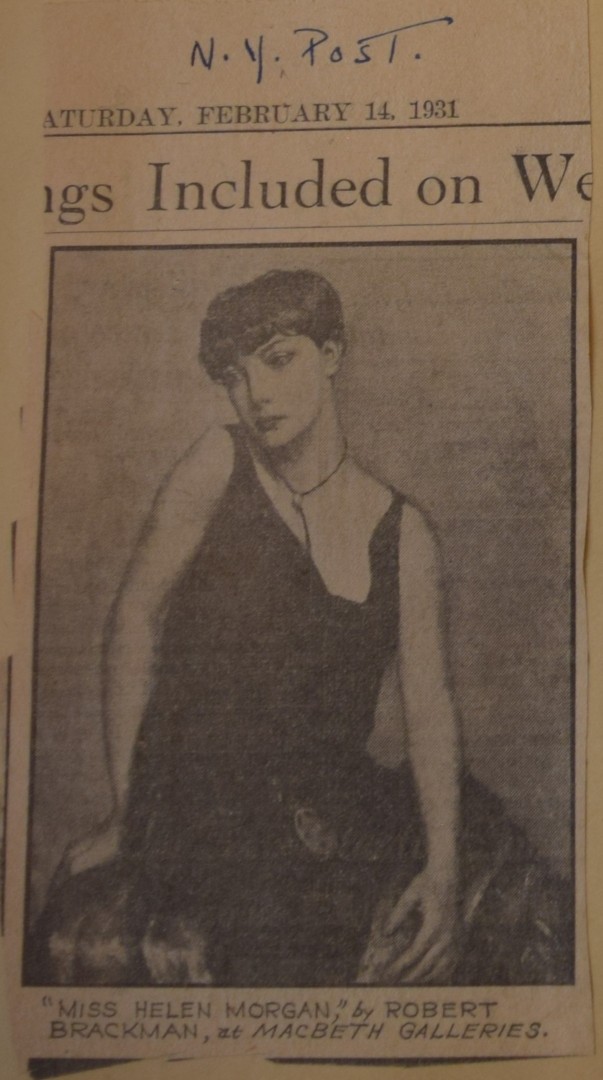
A year later, the painting took pride of place in Brackman’s one-man show at the Macbeth Galleries.

Joining Helen was Brackman’s celebrated study of Rabbi Stephen Wise.

During the 1930 showing, Walter Winchell cheekily claimed that an (unnamed) young man offered $35k for the painting. Perhaps, but by the end of the decade, most likely during the 1931 show, Helen Morgan herself purchased it.

Legend has it that in the 1960s, Helen’s mother tried to sell the portrait to Billy Rose, who then owned the Ziegfeld Theatre. Lulu Morgan thought it belonged in the house where her daughter made history in Show Boat. Rose, perhaps already signaling the wrecking ball that would raze the house in 1966, declined.

Brackman’s work stayed in Manhattan and wound up on long-term display in the Art Students League on West 57th Street.

At some point in the late 1990s or early 2000s, the trail turns cold.

Hopefully, the Art Students League found a good home for “Portrait of a Girl in Black,”

Posted by: Christopher S Connelly | January 16, 2026

Richard Skipper Celebrates

Today, I had the great fortune and honor to appear on the YouTube series Richard Skipper Celebrates.

What made the experience so memorable, and enjoyable, was interacting with Richard’s other guests. Gracing this roundtable discussion were cabaret mainstays Laurie Krauz and Jeff Harnar, as well as actor Suzanne Du Charme (doo-SHARM) and fellow celebrity biographer (Joi Lansing: A Body to Die For) and artist, Alexis Hunter.

My thanks to all.

Posted by: Christopher S Connelly | December 30, 2025

Time Machine Please

Oh, for a time machine!

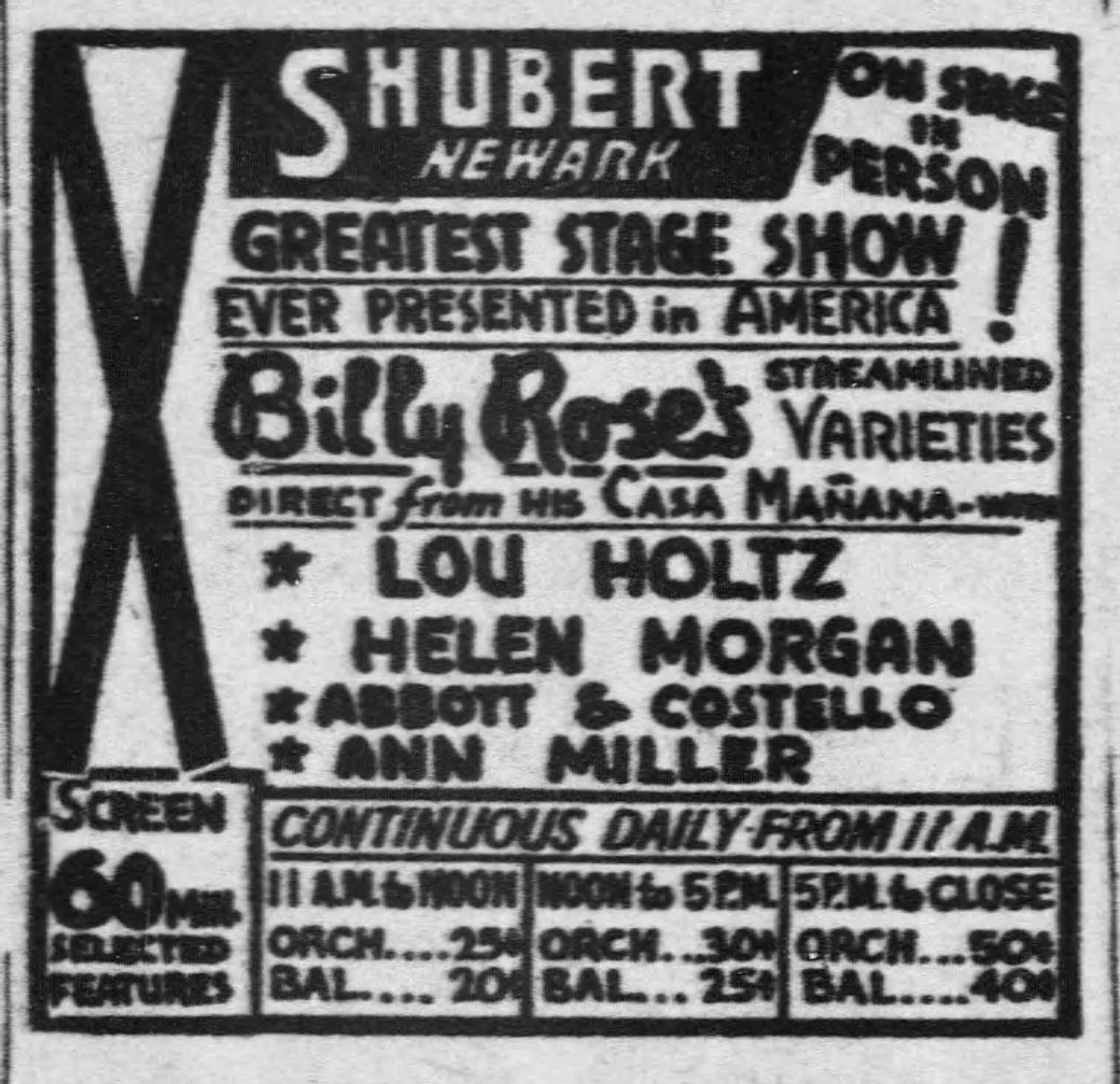
On this date in 1938, Helen opened a week of film-house vaudeville at the Shubert in Newark, NJ.

That may not sound like a particularly auspicious occasion: Morgan spent much of her career doing film-house vaudeville, playing four or five shows a day.

But this time, she shared the stage with her frequent co-star Lou Holtz …

… and Ann Miller …

… and Abbott and Costello …

… and Betty Hutton.

All this – for $0.20.

The show, cobbled together from the recent record-breaking program at Billy Rose’s Casa Mañana in New York, was so strong, the Shubert didn’t bother booking a feature film to accompany its stage show.

It simply ran an hour of short subjects.

Oh, for a time machine – and a 1938 quarter!

This site serves as a companion to the book Helen Morgan: The Original Torch Singer and Ziegfeld’s Last Star.

Posted by: Christopher S Connelly | December 27, 2025

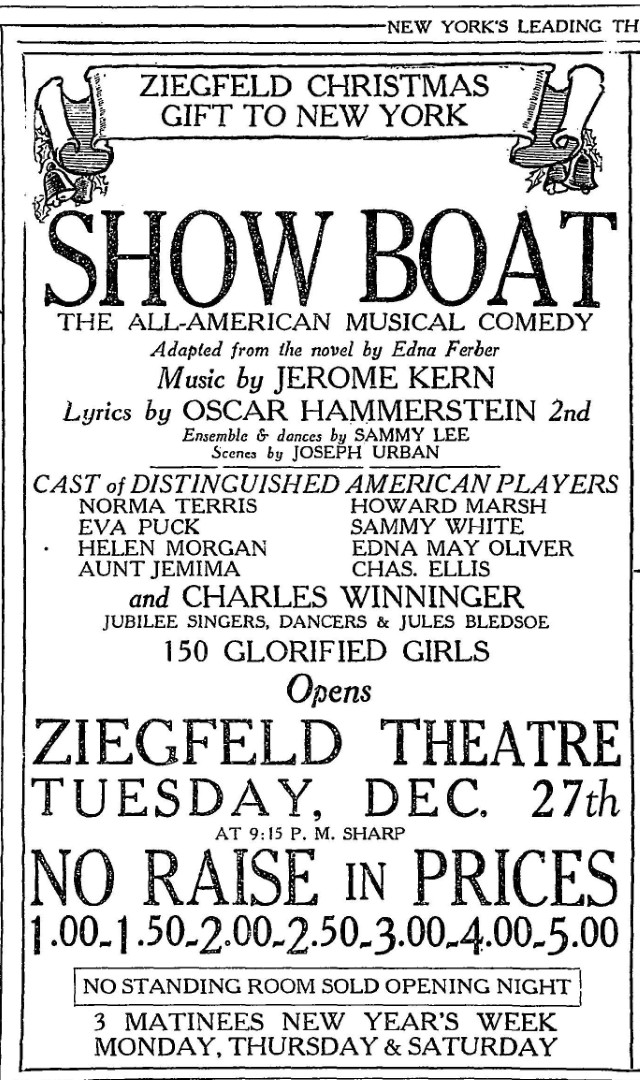
Happy Show Boat Day!

Happy 98th(!) birthday to the Granddaddy of all American musicals. Ziegfeld’s gift just keeps on giving.

For background on this landmark production – and revisals – check out some of my previous posts:

January 5 – 2025

December 27, 2024

December 27, 2023

To commemorate the day, why not watch the 1936 Universal film version? Or listen to the 1988 McGlinn recording? Or watch the 1989 Paper Mill production, arguably the best pro-shoot of the stage show to date:

Posted by: Christopher S Connelly | December 25, 2025

Season’s Greetings …

… from helen-morgan.net.

Older Posts »

Categories