… Tragedy struck the company of the Ziegfeld Follies of 1931. Immediately following the evening performance on Saturday the 25th, Harry Richman invited Gladys Glad, her husband Mark Hellinger, and showgirls Virginia Biddle and Helen Walsh for a weekend excursion around Long Island Sound on his yacht Chavalmar II.
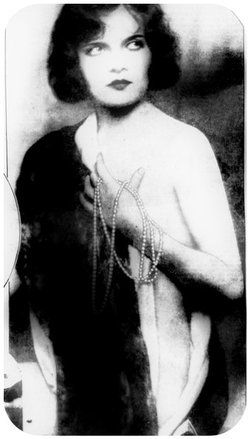
Helen Walsh was a good Irish girl who, like Helen Morgan, started behind a department store counter. From there, Walsh joined the Ziegfeld stable as a showgirl. She played in Rosalie, then Whoopee and Simple Simon before landing in the Follies. Like Morgan, Helen Walsh also had a ‘widder’ mother at home, but here the similarities ended. Almost without fail, Walsh ran home to Riverdale every Saturday night to hand over her pay to her mother before enjoying her weekend.
The company met at Richman’s Beechhurst home, had cocktails, and boarded the yacht and set off on their voyage to nowhere. With the dawn, the ship’s captain docked at Greenport to refuel the yacht’s 140-gallon gas tank. Richman held court with Hellinger and his chauffeur Levy on deck while the women enjoyed the warmer conditions below. Gas fumes flooded the cabin and when the Captain White started the yacht’s engine, the Chavalmar II was engulfed in a huge fireball.
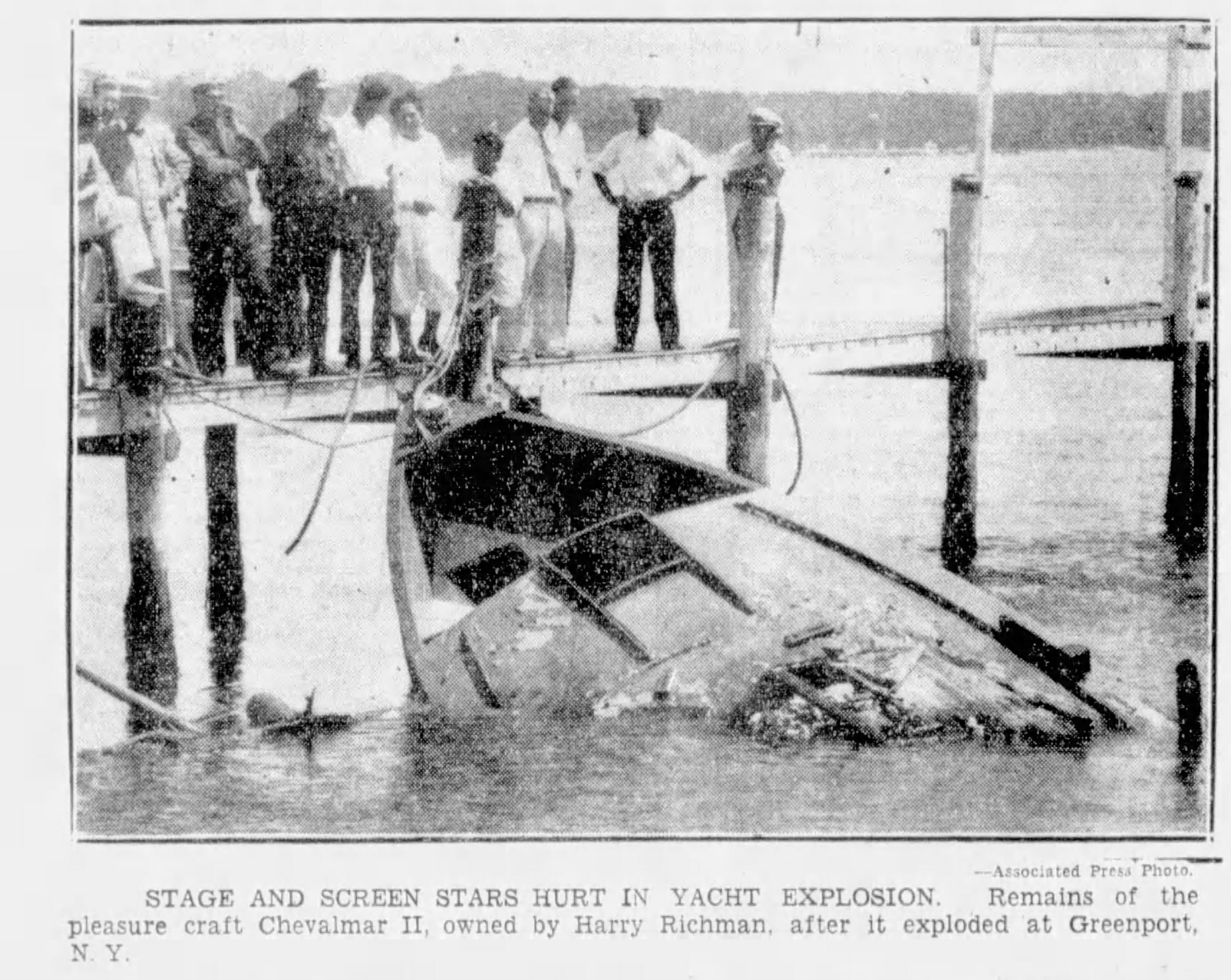
With amazing presence of mind, Levy, his hair afire, ran below deck and managed to rescue Glad and Biddle. Richman also scrambled below, got Helen Walsh above deck and jumped into the flaming water with her. When Walsh came up, Richman grabbed her and following the others, paddled the two to shore. So relieved was Gladys Glad to see her friend, she grabbed her arm. Some of Helen Walsh’s skin came off at the touch.
Glad commandeered a nearby policeman to drive a “borrowed” car and got Walsh and the others to the nearest hospital. Still conscious, Walsh asked repeatedly if she was badly burned – particularly if her wage-earning face was badly burned. The doctor assured her she was not badly burned externally. However, she lost a lot of fluid, and there was a possibility her lungs had been seared. The men were treated in the emergency room for their burns and released.
Helen’s mother, her sister Marion, and Doctor Michael Tetelman were called to Walsh’s side to begin the grim waiting game. Sunday evening, a nurse fed Walsh some soup, which caused her further nausea. Gladys Glad ordered chilled champagne, poured it over ice and spoon-fed her friend. This she was able to keep down.
Monday morning a priest arrived, heard Helen Walsh’s confession, granted absolution, and administered Communion. She began to rally. Having been assured Walsh was recovering nicely, Richman returned to New York for the evening performance. Soon after he left, Helen Walsh quietly died of shock.
Hellinger followed Richman to New York where the press already knew of Helen’s death. He managed to keep word from Harry until after the performance, when the two cried together.
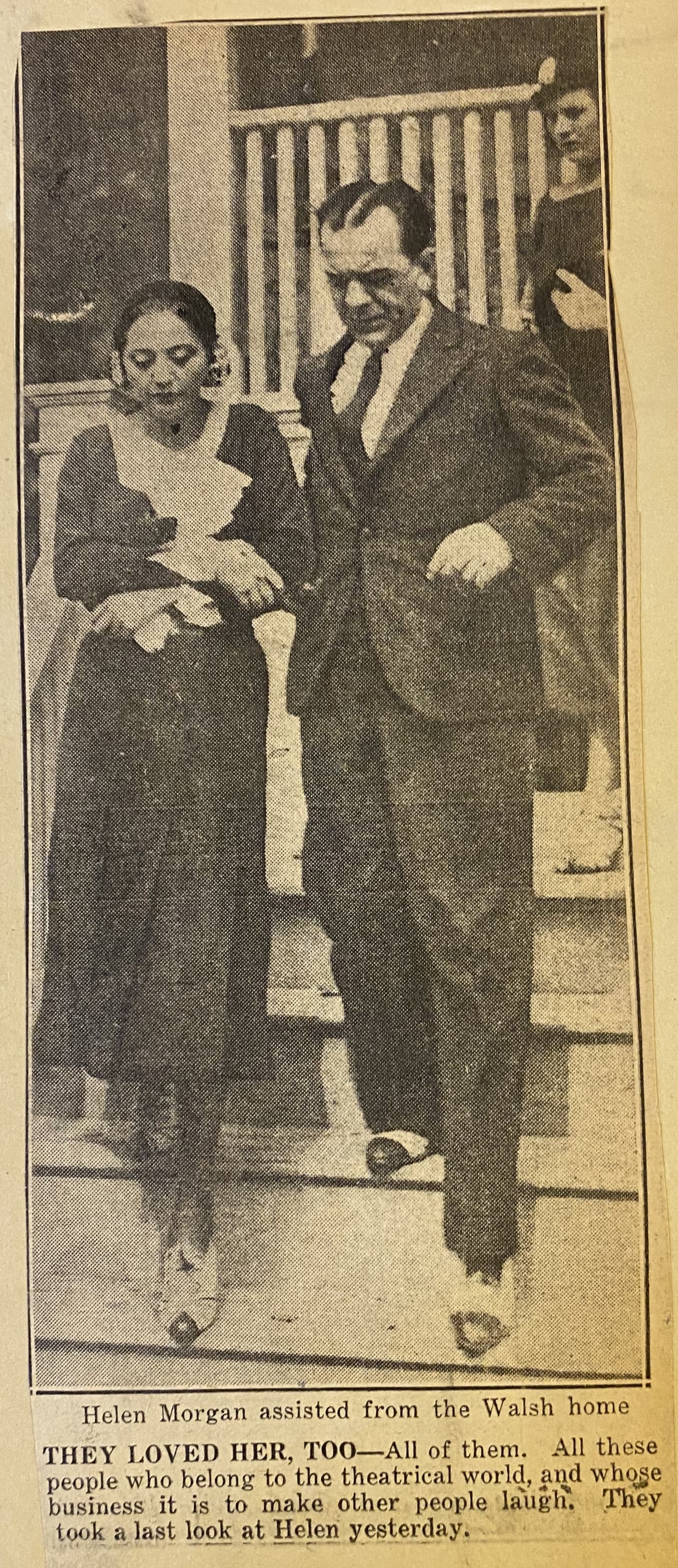
Following the funeral, Richman announced his intention to take out a $25,000 life insurance policy naming Mrs. Walsh as the beneficiary. Considering the unlikeliness of Mrs. Walsh living long enough to collect, the gesture struck many as a hollow ploy for publicity.
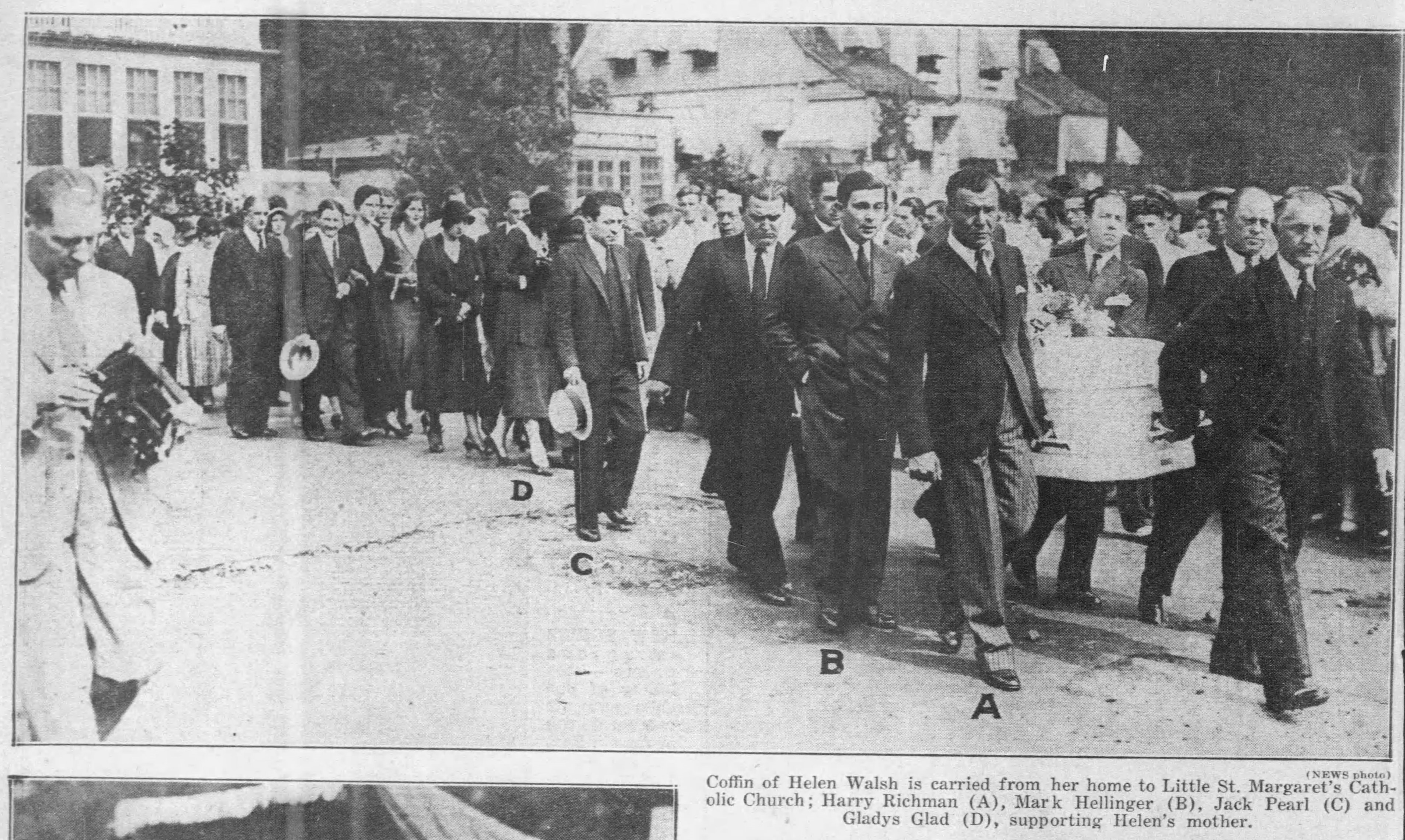
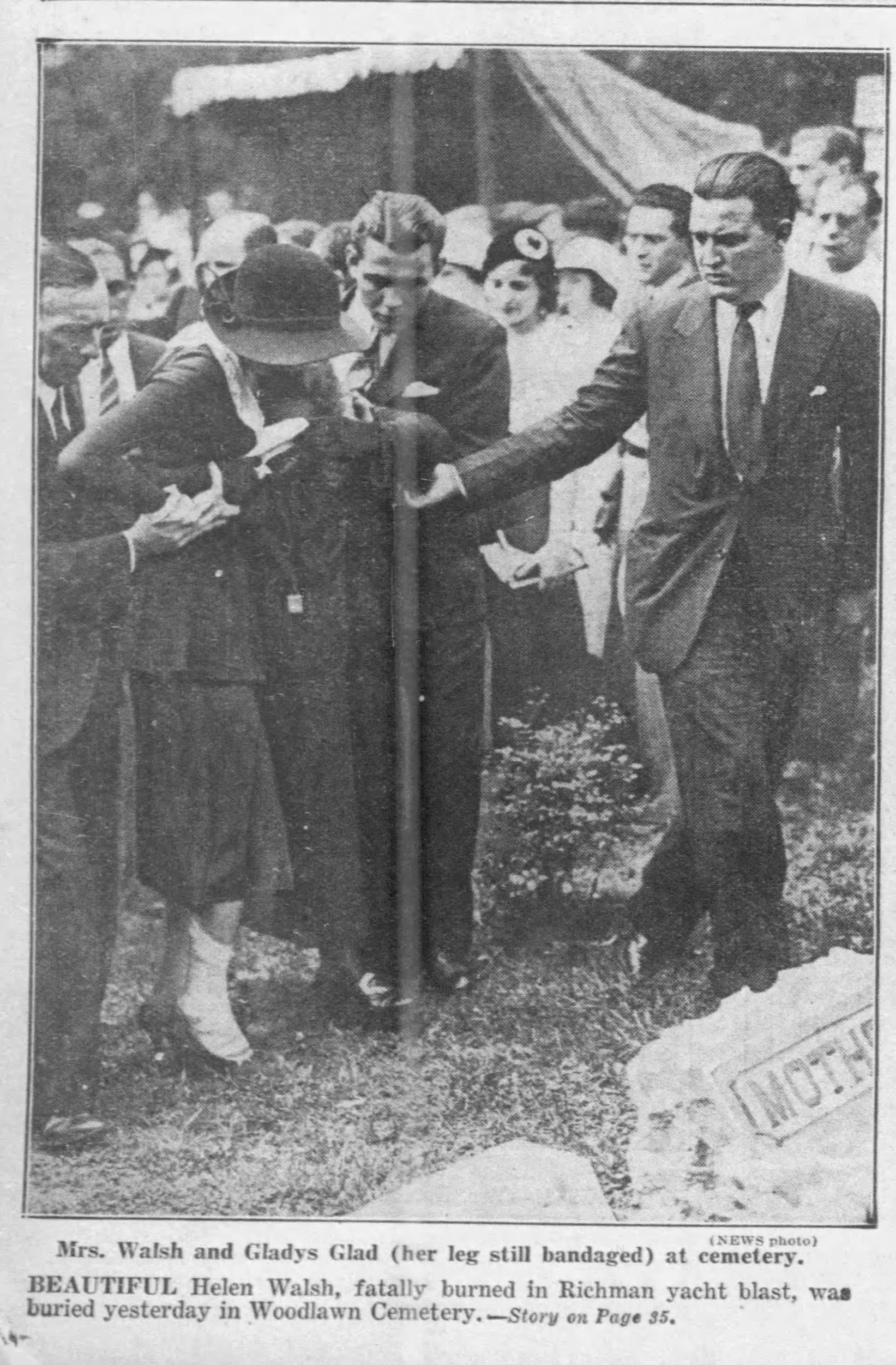
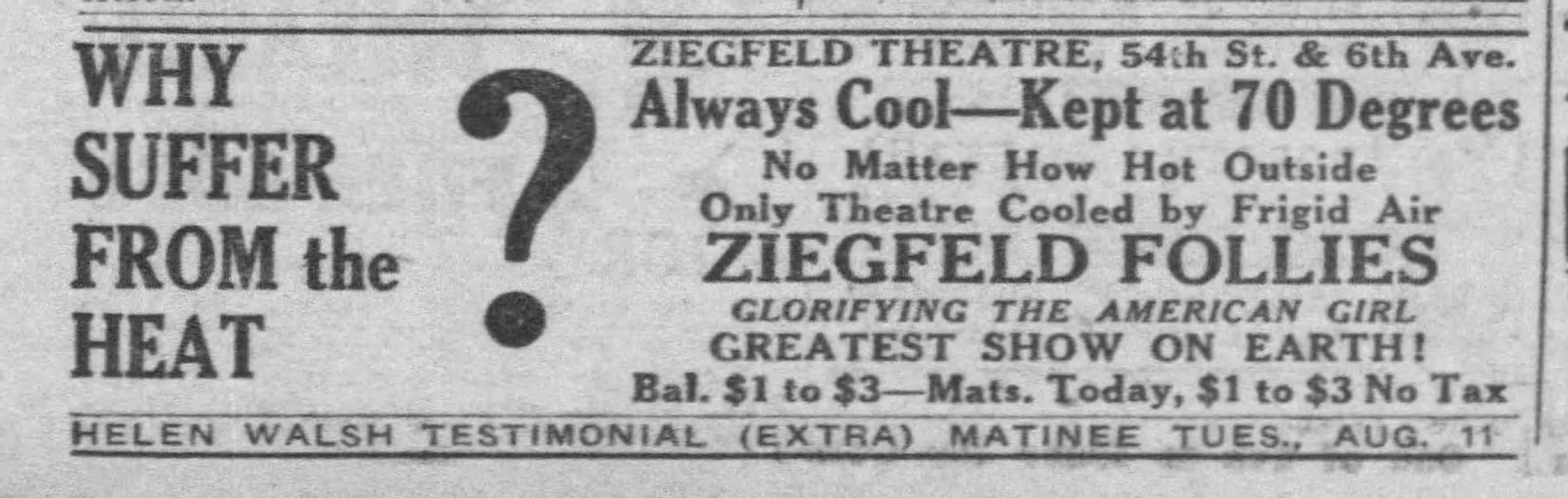
Hellinger and Richman then promised they would pay Mrs. Walsh her daughter’s salary for the remainder of her life. This offer went over better, but concerns over paying off the $7,500 mortgage on her house worried Mrs. Walsh more than a weekly income. Ziegfeld came to the rescue and added a matinee performance the following Tuesday, the 11th, as a benefit.[i] With a possible gate of $4,800, the performance brought in an astounding $18,000 (many people bought tickets only to return them to the box office for resale).
Ziegfeld’s shining moment, however, was short-lived. When he presented Mrs. Walsh with the check in front of a sea of reporters and photographers, the widow announced she didn’t want to stay in the old house any longer. With just her daughter Marion and herself needing accommodations, they decided to sell the place and take an apartment in the city.[ii]
This site serves as a companion to Helen Morgan: The Original Torch Singer and Ziegfeld’s Last Star, which was published on September 3, 2024.
[i] New York Times, July 31, 1931, p. 15.
[ii] Bishop, Jim. The Mark Hellinger Story: A Biography of Broadway and Hollywood. Appleton-Century-Croffs, Inc., New York, 1952, p. 172 – 181.
 The Helen Morgan Page
Leave a comment